What happened at the meeting
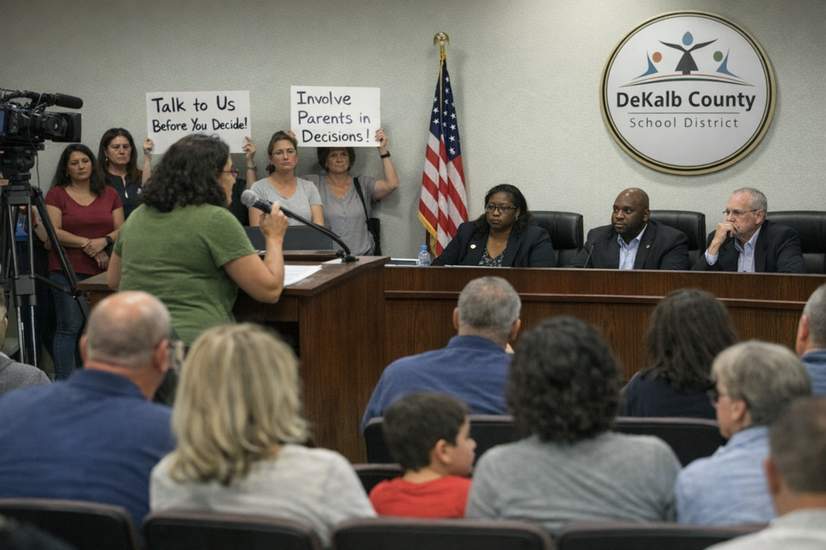
On Monday night a crowd showed up at the DeKalb County Schools district office to talk about the Student Assignment Project — the district’s plan to juggle overcrowded classrooms and schools with too few students. More than 20 people signed up to speak during the public comment period, and most of them came with the same message: “Talk to us before you decide.”
Parents: the process feels top-down
Community members said the outreach so far has felt rushed and one-way. Families described meetings where it seemed like plans were already set, and that real input from neighborhoods came too late or not at all. Translation: people want to be part of the conversation, not wait for a finished decision and react.
How the district is responding
District leaders didn’t dismiss the complaints. They said they’re listening and tweaking the approach based on feedback. Over the summer the district plans to comb through community comments and the enrollment data to refine proposals.
What’s being considered
The ideas on the table include shifting attendance boundaries and, in some spots, closing, consolidating, or repurposing school buildings. The changes could affect clusters such as Chamblee, Cross Keys, Dunwoody, Druid Hills, Lakeside, and Tucker. Officials say overcrowding and under-enrollment are already impacting students by limiting teacher access, programs, and other opportunities.
Nothing’s final — yet
District leaders emphasized that these are early proposals, not hard decisions. They want more community conversations and data analysis before moving forward.
Next steps and timeline
More community-based meetings are expected to start up again in August. The district hopes to have a final recommendation ready for the Board of Education by December 2026.
Why it matters (and what you can do)
Boundary changes and school consolidations affect more than addresses — they can change class sizes, commute times, school programs, and neighborhood vibes. If you’re near the affected clusters, show up, ask questions, and share your thoughts. Leave the passive grumbling to social media — bring your ideas to the table in person (or via a pointed, well-worded email).