Short version (so you don’t have to skim headlines)
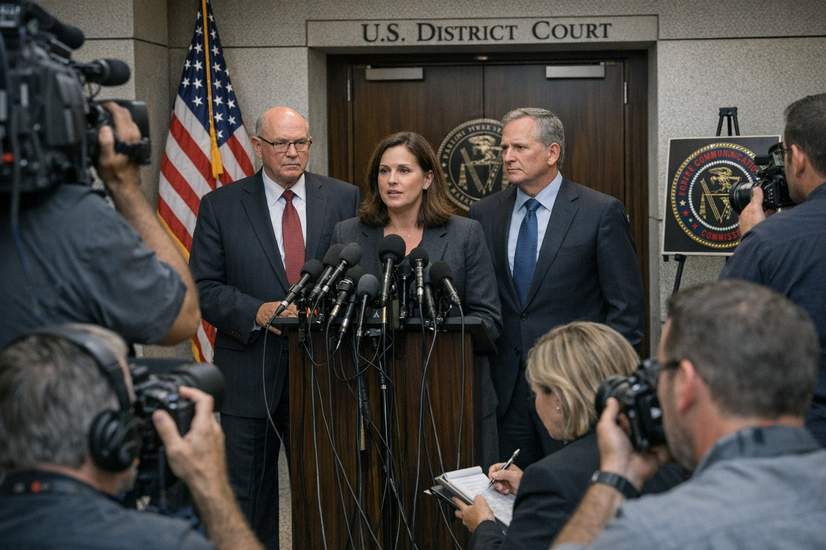
In plain terms: a federal judge hit pause on the FCC’s surprise review of ABC’s broadcast licenses after ABC said the move was political payback for its coverage. The court issued a temporary order that keeps the FCC from taking further steps on those early renewals while ABC’s lawsuit moves through the system.
Why this became a big, noisy thing
The FCC told ABC earlier this year to file for early license renewals for eight local stations — licenses that weren’t even supposed to come up again until 2028–2031. The agency said it was investigating whether ABC had broken rules about discrimination and had been slow to provide requested information. ABC said the whole thing was a setup: retaliation for editorial choices and commentary the White House didn’t like.
The judge’s move and what she found
U.S. District Judge Loren AliKhan issued a 45-page order saying ABC probably has a strong case that the FCC’s action was retaliatory. Her temporary injunction prevents the agency from continuing its early renewal process against ABC while the legal fight plays out. The judge pointed to multiple instances of public pressure on the FCC from President Trump and criticized the FCC chair for seeming to follow that rhetoric.
How the parties are reacting (short, dramatic blurbs)
ABC cheered the ruling as a win for free speech and thanked the court. The FCC pushed back, calling the decision incorrect on both facts and the law and saying it expects to ultimately win.
Some courtroom color
ABC and Disney argued the agency’s demand forced broadcasters into a terrible choice: stand by editorial decisions or face the very real danger of losing broadcast rights. Counsel for Disney used a vivid metaphor in court to describe the pressure, suggesting the company felt like it was waiting under a guillotine while the review loomed.
Why the judge seemed unconvinced by the government
The judge expressed skepticism about the FCC’s timeline and motives, noting that the agency moved quickly after public barbs aimed at ABC by the president — even referencing a late-night sketch that drew criticism. She saw a connection between the criticism and the agency’s action that made the retaliation claim at least plausible.
Broader context: not just ABC vs. FCC
This spat isn’t an isolated incident. The Trump administration and FCC leadership have been critical of several networks at various times — from threats about license revocation to suggestions that talk shows might need to give candidates equal airtime (a rule that historically hasn’t applied to late-night or daytime comedy). The situation feeds into larger fights over press freedom, political pressure, and how regulators should behave when politics and media collide.
What happens next
The injunction only pauses the FCC’s review; it doesn’t settle the underlying dispute. The lawsuit will proceed, and the court will eventually decide whether the FCC’s review was lawful or improperly motivated. Expect more filings, courtroom drama, and likely appeals before there’s a final answer.
Bottom line
For now the judge has given ABC temporary relief, saying the network’s case is strong enough to stop the agency’s clock. But this is far from over — it’s just the opening act in a legal showdown where free speech, regulatory power, and presidential pressure are all duking it out.