Execution carried out after long wait
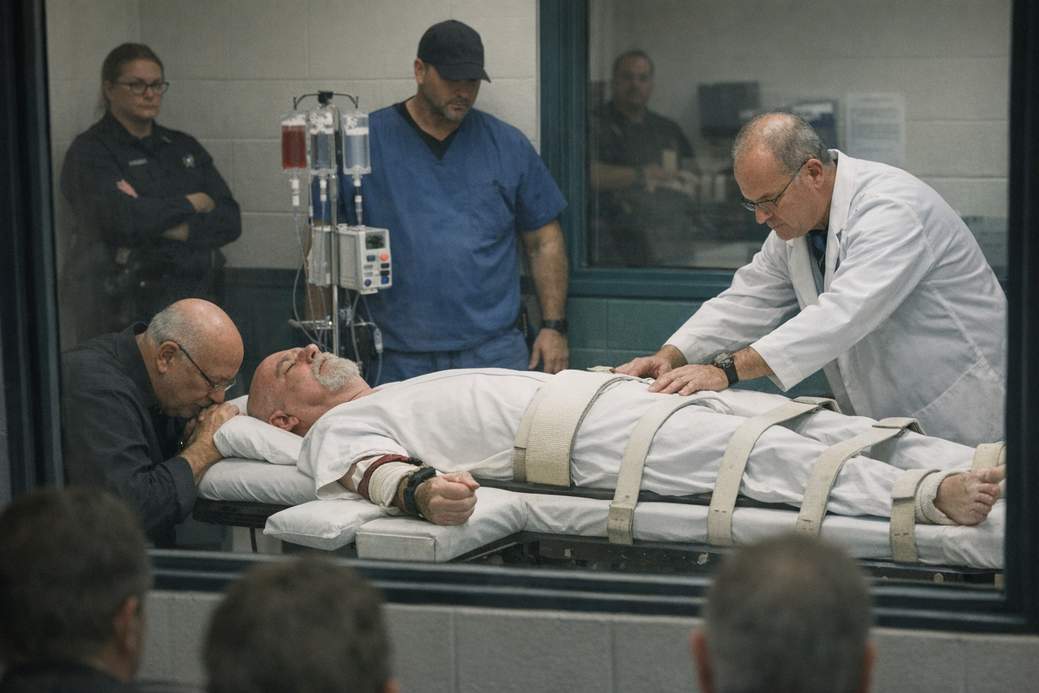
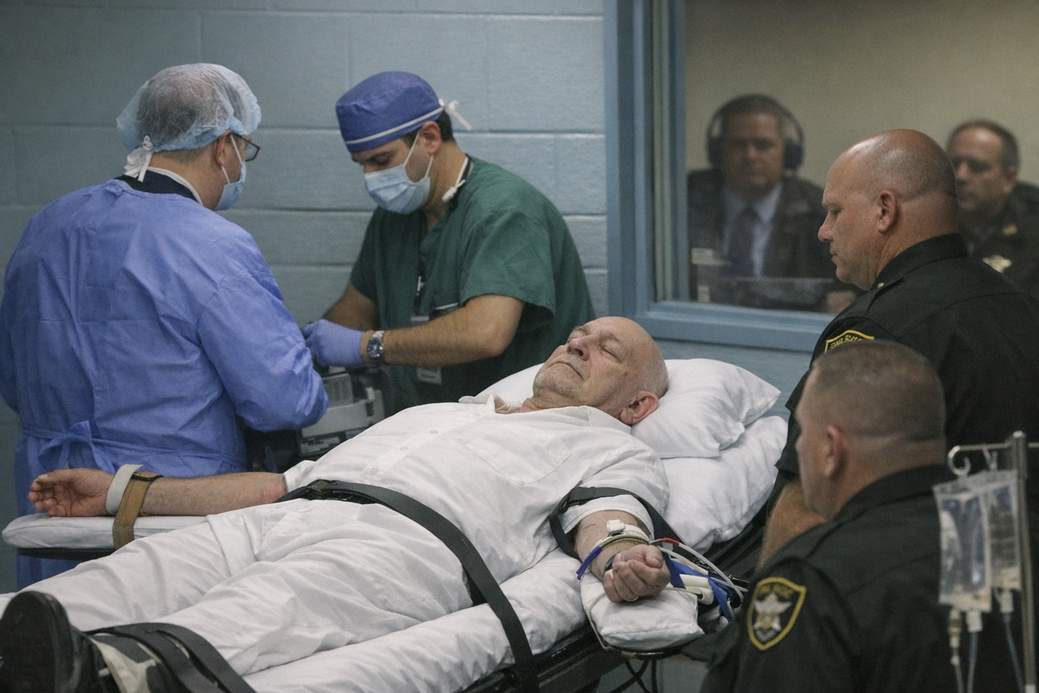
Florida officials put Harold Gene Lucas to death at Florida State Prison near Starke in the evening, using the state’s three-drug protocol. Lucas, who was 74, was pronounced dead shortly after the procedure began. When asked for last words he declined. Authorities said the execution proceeded without any issues.
Why he was convicted
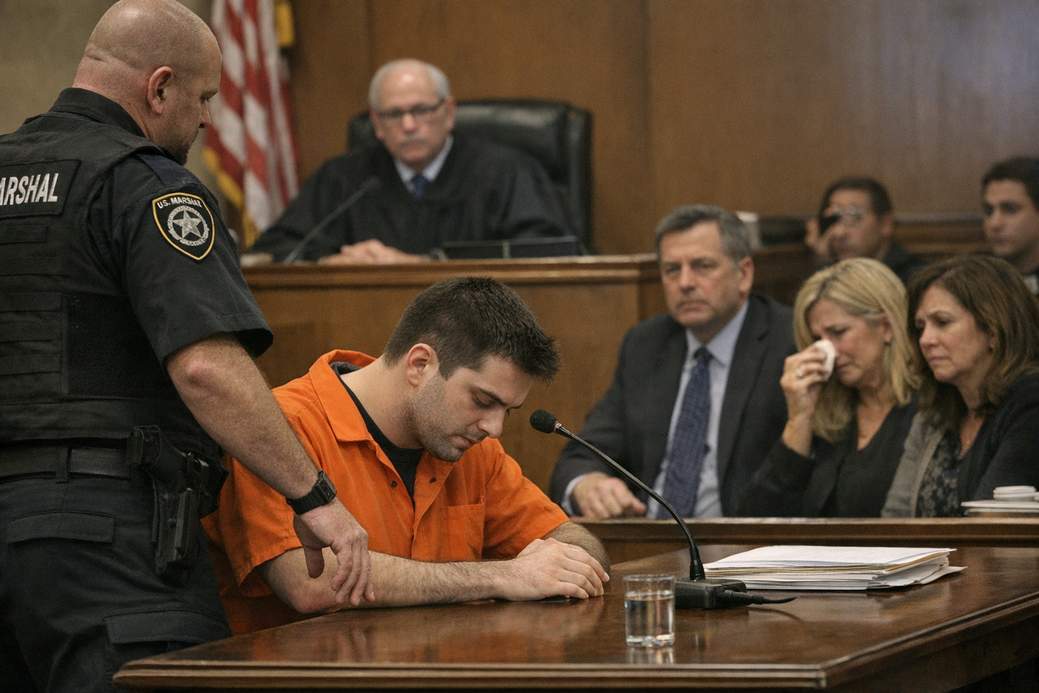
The case dates back to 1976. Lucas was found guilty of fatally shooting teenager Jill Piper after she rejected his advances, and of wounding two friends who were with her that night. Court records describe prior confrontations between Lucas and the victim, an arrest for trespassing at her family’s home and threats that alarmed witnesses. He was arrested the day after the attack.
A long legal ride
Lucas spent decades fighting his sentence — or, ultimately, deciding not to keep fighting. Over the years he was sentenced to death multiple times as judges and appeals courts reviewed and corrected errors in the sentencing process. After the governor signed a death warrant this year, Lucas opted not to pursue further appeals and told a court he was ready to stop fighting the case, saying he’d been on death row for decades.
Florida’s recent pace on capital punishment
This execution marked Florida’s 14th so far this year. The state has accounted for a substantial share of U.S. executions recently and has more lethal injections scheduled in the coming weeks. Two men — Daniel Owen Conahan Jr. and Curtis Wilkie Beasley — have dates set later this month; both were convicted of violent crimes in the 1990s.
How Florida carries out executions
Florida’s protocol uses a three-drug cocktail: a sedative, a paralytic agent, and a drug to stop the heart. The Department of Corrections oversees the process and announces details such as timing and any official statements after the procedure is complete.
What’s next
With additional death warrants already signed, Florida’s use of capital punishment continues to be a point of attention for advocates on both sides of the death-penalty debate. For now, this case closes a chapter that began nearly half a century ago and will likely remain part of conversations about how the justice system handles the most serious crimes.