Intro: The age-old TV matchup
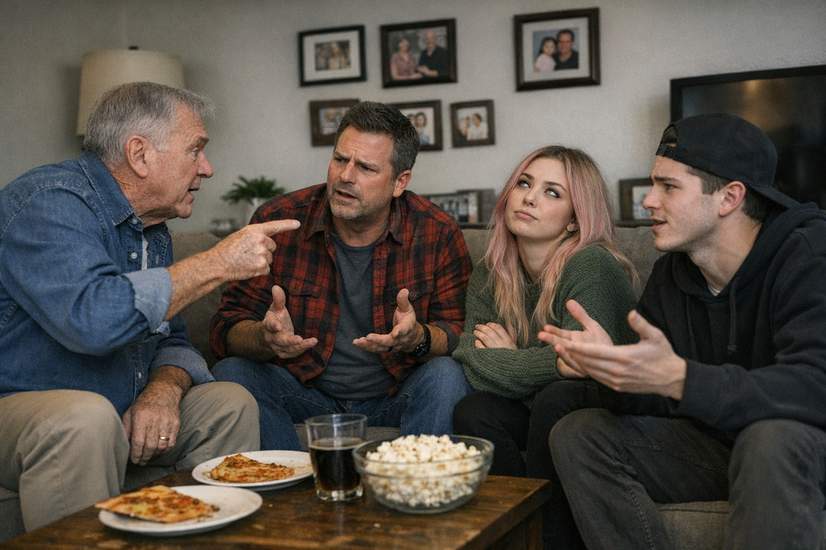
TV has a new favorite sport: watching generations glare at — then roast — each other. It’s back in vogue to dump baby-boomer grumbles into a sitcom, toss in a baffled Gen X dad, sprinkle a few Gen Z eye-rolls, and watch the sparks (and jokes) fly. The result? Shows that are equal parts awkward, sweet, and painfully relatable.
A quick history lesson (and a nod to the OG)
Half a century ago Norman Lear introduced audiences to an angry, outspoken dad who couldn’t quite keep up with the times. That show did the heavy lifting: it turned family squabbles and cultural clashes into prime-time comedy that actually mattered. Fast-forward to today and the recipe hasn’t changed much — except now the wars are about different slang, social codes, and who gets to be offended.
Why the generation gap still makes great TV
Generational friction is a comedy goldmine because it’s both familiar and flexible. The jokes land because everyone recognizes the patterns: older folks baffled by new customs; younger folks outraged or baffled by older habits. But the best shows don’t just mock one side — they find warmth in the chaos, showing that you can disagree wildly and still be human with each other.
Rooster: a campus rom-com that actually cares
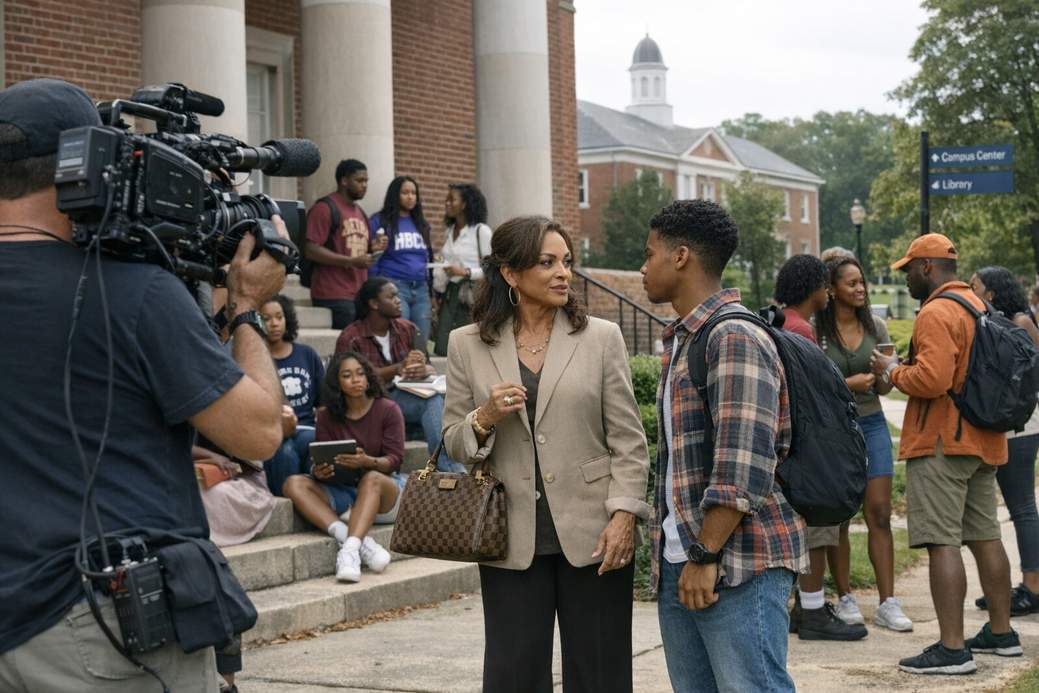
Rooster tosses three generations into a college setting and lets them trip over each other. Steve Carell plays Greg Russo, a Gen X novelist who winds up teaching creative writing to be near his daughter Katie (Charly Clive). Katie, an art-history prof, and her ex Archie (Phil Dunster) — both millennials — have their own messy subplot after Archie’s affair with a grad student blows up in their faces.
The show’s strength is balance: Russo is delightfully out of touch (expect awkward dances and painfully dated pop-culture references), but everyone gets gently roasted. The students police language, call out problematic behaviour, and make the faculty squirm — and the series makes space to laugh at all of it while still giving characters real feeling and connection.
Vladimir: darker, moodier campus vibes
Over on a different streaming corner, Vladimir goes for a moodier, more literary take. Rachel Weisz plays an English professor known as M, who’s navigating an open marriage with John (John Slattery), a past littered with questionable choices involving students. M’s classrooms are battlegrounds: Gen Z students argue that classics aren’t sacrosanct, while she insists some works still matter.
The show mixes black comedy with desire and shame — M finds herself drawn to a younger colleague, played by Leo Woodall, and the tension is messy and oddly tender. Vladimir doesn’t laugh everything away; it uses dark humor to explore power, pleasure, and the different safety priorities younger and older women may have.
Beef: when workplace drama gets generational
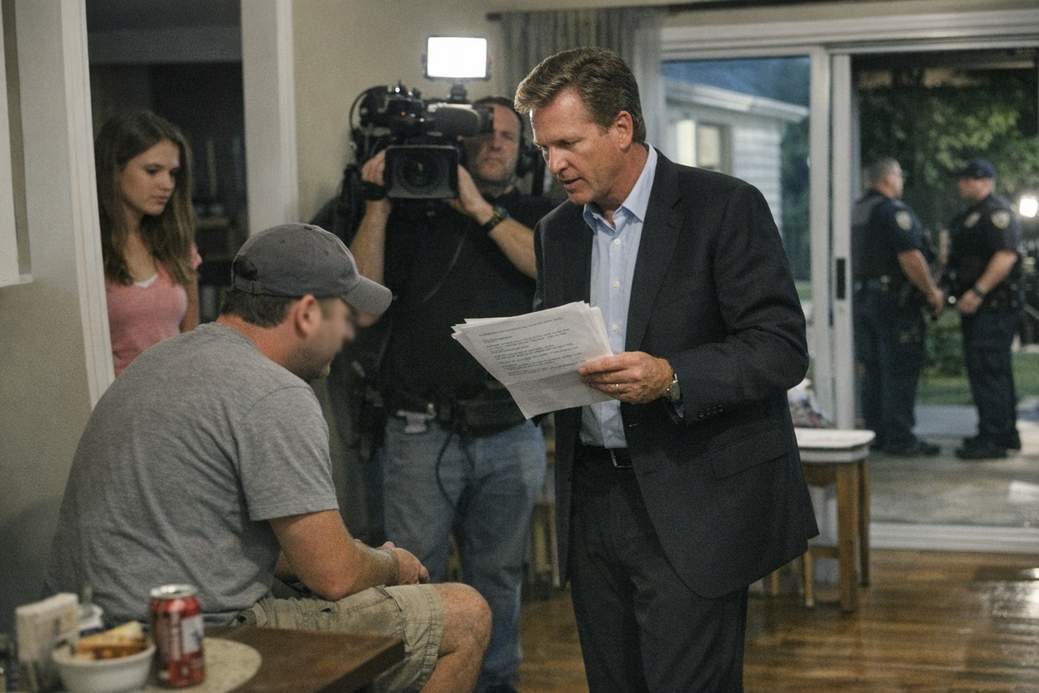
Beef takes the generational squabble out of the classroom and plunks it into the workplace — specifically a California country club. Oscar Isaac plays Josh, the general manager; Carey Mulligan plays his wife; and a young Gen Z couple (played by Cailee Spaeny and Charles Melton) wind up with a viral piece of evidence after overhearing a volatile argument.
What starts as a grab-for-leverage — a “don’t post that video” negotiation — becomes an escalating mess that digs into money anxiety, class, and entitlement. The creator revealed that the idea came from overhearing a fight and noticing how differently people of different ages reacted — an impulse that translates into the show’s simmering moral stew.
So what are these shows trying to tell us?
They’re not just churned-out culture wars. Together these shows offer two things: comedy and a mirror. Sometimes the point is to soothe — showing that affection can survive disagreement — and sometimes the point is to be uncomfortable, reminding us that some differences run deeper than a joke. Either way, kindness (and curiosity) keeps popping up as the sensible response.
Where to watch (no spoilers, no links)
Rooster has been available on HBO Max in the US and on platforms like Sky Comedy and NOW in the UK. Vladimir landed on Netflix, while Beef has been streaming through major platforms as well. Check your local service for availability.
Final take
Generational beef on TV is equal parts mirror and playground: shows let us roll our eyes at each other, then sometimes help us understand why those eye-rolls happen. And if a little laughter can soften a shrug or start a conversation, that’s a win — even if someone still thinks Walk Like an Egyptian is peak cool.