Show Rundown
On this week’s episode of Face the Nation, Margaret Brennan walked us through a globe-trotting edition: a harrowing natural disaster in Nepal, fresh reporting from Ukraine, the political hustle in Michigan, a deep dive on mail-in ballot chaos, an eyebrow-raising FBI hiring update, and a personal, heartbreaking account from a former Afghan general now living in the U.S.
Nepal Flooding: Search, Rescue, and a Race Against Time
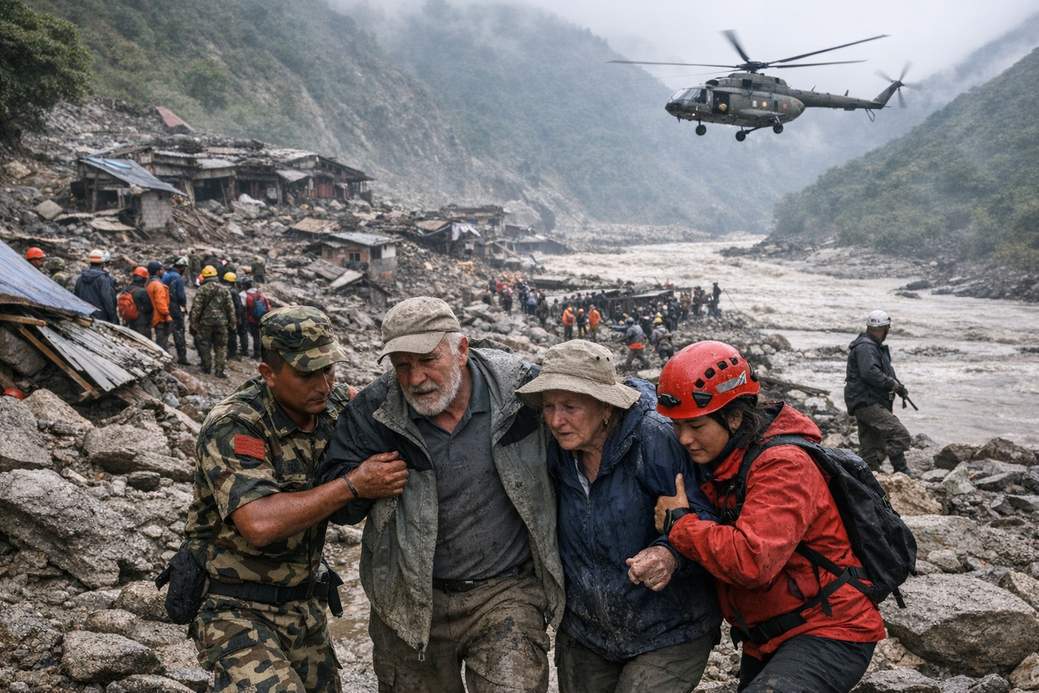
A glacier collapse sent a terrifying flash flood through parts of Nepal, flattening communities and leaving hundreds dead and thousands unaccounted for. Rescue teams have pulled thousands to safety, but many are still missing — including a large group of American travelers who had been on a pilgrimage near the Tibetan border. Weather and monsoon-driven river surges are complicating aerial searches, and local authorities are scrambling to keep sorties running when conditions allow.
The grim reality: checkpoints and buildings on the Tibetan side were obliterated in seconds, and families back home are anxiously waiting for answers. Aid operations keep pushing forward, but the combination of damaged infrastructure and unpredictable weather makes this a slow, heart-wrenching effort.
Front Lines in Ukraine — What Lawmakers Are Hearing
Senator Richard Blumenthal, fresh off a trip to the region, described Ukraine as a place that’s making gains but still paying a brutal price. He visited hospitals and towns scarred by constant bombardment, and says what Ukrainian leaders want most right now is equipment: stronger air defenses, long-range systems, and technology like Starlink to better locate and disrupt incoming strikes and drone launches.
On hard power versus talk, Blumenthal was blunt: rhetoric won’t stop a mob boss. He argued that deterrence needs visible strength and coordinated support from Europe and the U.S. — not just warnings and diplomatic notes.
Sanctions, Trade and the Tightrope of U.S. Policy
Blumenthal pushed the idea that a focused sanctions package — including narrowly targeted tariff tools — could squeeze the finances that fuel Russia’s war machine. He acknowledged concerns about broad tariff authority but emphasized that the measure is calibrated toward major buyers of Russian oil, not everyday allies.
He also urged Ukrainian leaders to speak directly to Congress to help build bipartisan backing for the aid and sanctions measures they need.
Immigration Enforcement in Connecticut
The senator criticized recent ICE operations in Connecticut towns after dozens were detained without local notice. According to him, many of those rounded up had little or no criminal history and some had legal claims to remain — raising questions about the administration’s tactics and the human cost of aggressive enforcement.
Kids, Screens, and Big Tech Promises
Blumenthal welcomed a large settlement Meta agreed to with state attorneys general to curb some features that hook kids online, but he called it a partial fix. The agreement covers only one company, is time-limited, and won’t adapt fast enough as platforms change. He still wants federal legislation to set long-term rules for child safety online.
Michigan Politics: John James on the Run for Governor
Congressman John James stopped by to talk Michigan: culture wars, trade headaches, and an economy he says needs an aggressive reboot. He criticized campaign rivals for cozying up to fringe figures and positioned himself as a defender of Michigan jobs — especially in the auto supply chain that depends on Canada.
Facing the prospect of tariffs and tit-for-tat measures from Canada, James stressed the need for negotiators to stop squabbling and cut a deal that protects workers. He also wants local control over where data centers go, at least until a plan exists to manage water use, energy costs, and other local impacts.
The Iran War, Military Service, and the Cost of Conflict
James, an Army veteran, said he’s wary of unending conflicts and prefers diplomatic and economic tools when they can safeguard Americans without putting troops in harm’s way. He framed his perspective with the soldier’s instinct to take threats seriously, while pushing for pragmatic solutions that limit new deployments.
Mail-In Ballot Drama: Courts, Timelines, and Practical Reality
Election analyst David Becker calmly explained why the president’s recent executive order aimed at tightening mail-in ballot rules is unlikely to derail November voting. Ballots are already printed, envelopes manufactured, and mailings under way in many states — so courts have balked at making last-minute changes that would confuse elections officials and voters.
The bigger legal fights may come later: whether a president can unilaterally reshape state-run election procedures, and what reforms — if any — will be pursued after this cycle. For now, Becker’s bottom line: too little time, too late.
Voter Rolls, Noncitizen Claims, and Confusion
Officials are still hashing out a claim from the Department of Homeland Security about large numbers of noncitizens on voter rolls. State election offices pushed back, asking for the methodology and actual lists; preliminary follow-ups reportedly produced far smaller numbers than initially publicized. The episode illustrates how headline-making claims can outpace reliable data.
FBI Hiring Rules: Standards Shifted or Reality Check?
The FBI quietly revised how it screens candidates, relaxing automatic disqualifiers for past offenses like hiring sex workers or theft if those incidents are old and isolated. Critics worry this lowers standards; agency leaders say it reflects a broader need to fill roles after waves of departures. Either way, it’s a controversial recalibration of what counts as a deal-breaker for federal law enforcement.
A General’s Story: From Battlefield to Backseat Driver
General Haibatullah Alizai, who led Afghan forces in the chaotic final days before the Taliban takeover, is now living in the U.S. and supporting himself with rideshares. He described the anguish of seeing cities fall, the frantic airport evacuations, and the painful choice to leave while others stayed behind. He insists Afghan soldiers fought; political collapse and fractured leadership helped bring the country down.
His life now is a string of small, practical struggles: asylum paperwork, family separation, and the mixed gratitude and grief of former allies trying to rebuild far from home. It’s a human reminder of the long shadow left by military decisions and hurried exits.
Final Take
This edition of Face the Nation crammed a lot into one hour: disaster response, geopolitics, election law, local politics, and the human fallout of war. If you want a one-line summary: the world remains messy, officials keep trading words for hardware, and ordinary people keep trying to pick up the pieces.
Thanks for sticking with the roundup. If you’re feeling overwhelmed by geopolitics and grief and election courtrooms, join the club — and maybe go outside for five minutes. Fresh air helps, and so does being slightly sarcastic about the news. See you next week.