Intro: Yes, your relationship can be rescued
If your partnership feels like a sinking ship, take a breath — it’s not always doom and gloom. Relationships can hurt us physically (hello, sleepless nights and stress aches) and mentally, but the same connection that drags you down can also lift you back up. The good news: lots of research and real therapists say many couples do make it from mess to meaning.
Why you two keep fighting about the same stuff
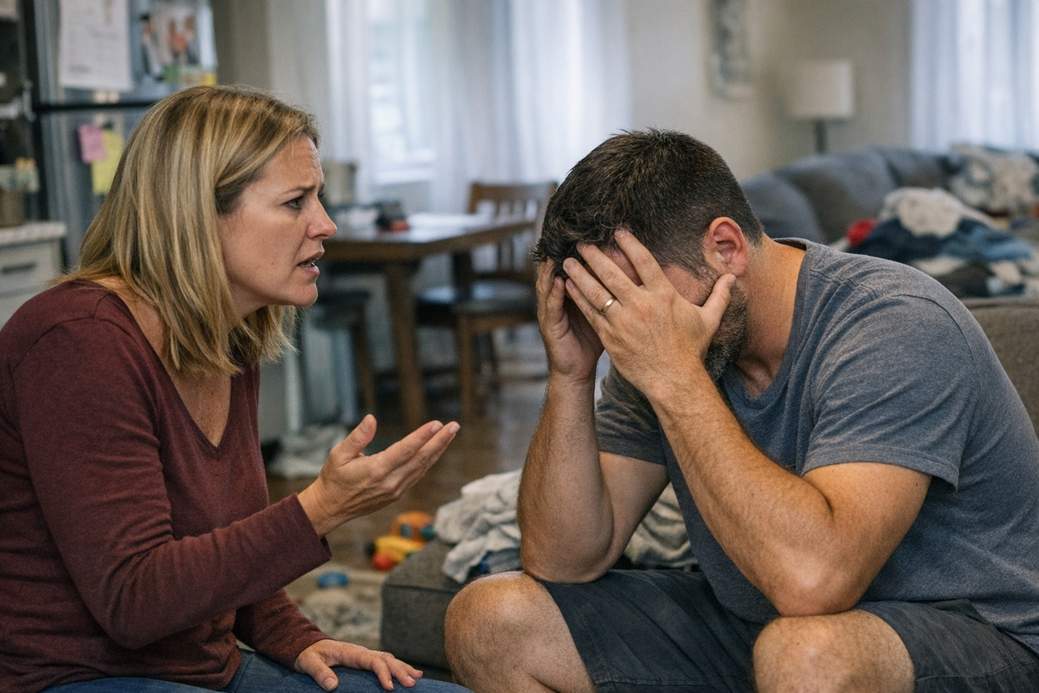
Those endless, rerun arguments — the ones that feel like you’re stuck in a bad sitcom — usually aren’t random. Couples tend to argue about a handful of recurring themes (money, chores, parenting, sex, control). Psychologists call these perpetual or gridlocked issues. Spotting the pattern is the first step; it means the problem is often about underlying values or fears, not just the topic on the surface.
The four relationship gremlins
There are four behaviors that reliably torpedo relationships: constantly criticizing your partner, treating them with contempt, playing the defensive game, and completely shutting down (aka stonewalling). These moves make conflicts destructive, not productive. The grim part: they even take a toll on your health. The good part: they’re fixable — if both people want to try.
Destructive vs. constructive fights
Not all arguing is bad. Think of fights as either demolition derby or cooperative problem-solving. Destructive arguments escalate, insult, and shut down. Constructive ones are curious, respectful, and focused on solutions. Couples who argue constructively tend to sleep better, feel closer, and suffer less stress-related health damage.
The secret sauce: responsiveness and kindness
One of the biggest predictors of relationship happiness is simple: do you feel heard and supported? Feeling like your partner really listens — even when you disagree — builds trust and reduces inflammation (weird but true). Little acts of kindness, shared decisions, and splitting chores fairly go a surprisingly long way toward goodwill and long-term happiness.
When therapy actually helps
Therapy isn’t magic, but it works. Studies suggest a solid chunk of couples see meaningful improvements after doing the work. Therapy helps rebuild lost empathy, teaches better ways to speak and listen, and gets couples to step back and ask, “What’s happening between us?” instead of just cataloguing grievances.
Two tiny phrases that change everything
Therapists love hearing partners say things like: “I can see why you’d feel that way” and “Tell me more.” Those lines signal openness — that you’re willing to accept influence and actually be curious about your partner’s experience rather than just defending your own turf. Curiosity is relationship glue.
Digging for the unspoken reasons
Many gridlocked fights hide deeper life stories. For example, two people who both grew up poor might fight about spending, but one’s instinct might be saving for security while the other’s is enjoying life now. Therapy or honest conversation can uncover those background dreams, which makes compromise possible. When each person understands the why behind the behavior, they can plan a solution that honors both dreams.
Motivation matters (and awkward honesty helps)
Even the best therapist can’t do it for you. Motivation — each person’s willingness to try — is a major predictor of success. That means showing up, admitting your blind spots, and being willing to change some habits. If only one person is motivated, progress will be much slower, but not impossible.
Breaking up better
Sometimes separation is the healthiest option. Even then, couple-focused help can soften the blow: reduce hostility, protect everyone’s mental health, and help parents shield kids from the worst of it. Break-ups can also be powerful learning moments where people figure out what they want next.
Quick takeaways (aka what to try tomorrow)
– Notice if fights are repeating — that’s a clue to deeper needs.
– Drop the criticism/contempt/defensiveness/stonewalling routines.
– Practice simple listening: ask questions, repeat back what you heard, show curiosity.
– Share your hopes and fears — not just the logistics of bills and chores.
– If you’re stuck, consider couples therapy; motivation is your best tool.
Relationships aren’t automatic forever; they need attention, patience, and sometimes a little therapy-shaped help. The hopeful part? With curiosity, kindness, and effort from both sides, a lot of relationships really are fixable — and often way more fun afterwards.