Short sleepers: real people, not superheroes
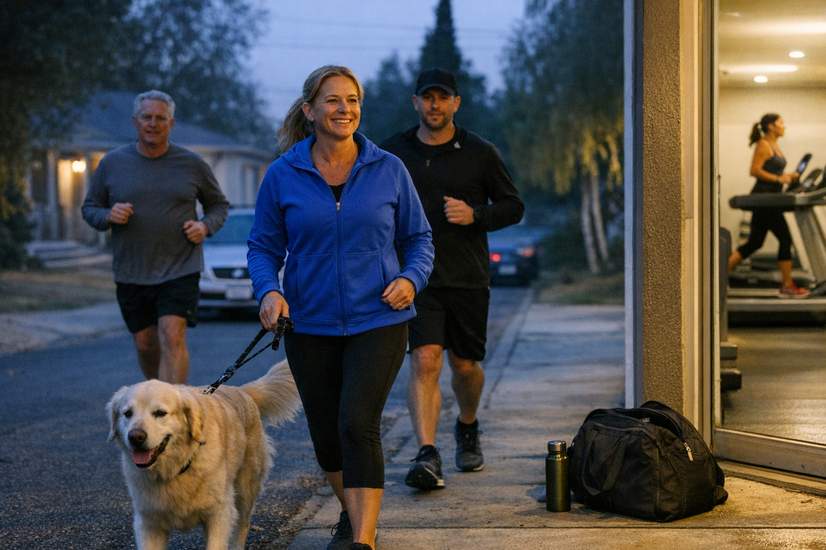
Some folks seem to run on a different battery. Take Aimee: she tucks in around 10pm and pops awake around 4:30am, bouncing out of bed like she just drank a double espresso—no groggy disaster zone in sight. She walks the dog, hits the gym, and gets serious work done before most of us have found our keys. In her family, this is normal; her dad and brother do the same. Weird, right?
It’s not just willpower — genes matter
For years scientists wondered why sleep needs vary so wildly. Lately the answer has been creeping into place: our DNA plays a major role. A rare inherited condition called familial natural short sleep (FNSS) has been found in people who truly need very little shut-eye and still function well. Researchers have identified a few different genetic changes that seem to cause it.
Animal studies and sibling comparisons give clues
Laboratory experiments have helped clarify what some of these mutations do. In mice engineered with FNSS-related changes, animals snoozed less but didn’t show the usual memory problems that come with sleep loss. In human studies, researchers have even compared twins where only one carries a short-sleep variant. The carrier slept less but maintained deep, restorative sleep and made fewer mistakes on tests after long stretches of wakefulness—suggesting quality, not just quantity, matters.
Many genes, small effects — but they add up
FNSS mutations are rare and dramatic, but the genetics of sleep is mostly a collection of tiny nudges across the genome. Studies suggest anywhere from 30% to 65% of differences in how long people sleep can be chalked up to heredity. Dozens — even hundreds — of common DNA variants are linked to sleep duration, and each one barely moves the needle on its own. Together, though, they can make a noticeable difference for someone’s usual bedtime math.
Good news, but not a free pass
Here’s the catch: some genetic setups might protect you from the harms of short sleep, while others may increase risk for things like chronic tiredness, insomnia, mood problems, ADHD-like symptoms or metabolic issues. For example, a small study found that among new mothers with bipolar disorder, those with a genetic profile leaning toward short sleep had a lower rate of postpartum psychosis. But larger population studies link short-sleep–associated variants to a mix of downsides too. Genetics isn’t a superhero cape—it’s complicated.
Pills, performance and big ethical questions
Because some variants seem to blunt the negative effects of sleep loss, pharmaceutical and military researchers are curious about whether the biology could be harnessed to help people who can’t get enough sleep. That’s exciting, but also dicey: tampering with sleep-regulating pathways without fully understanding long-term consequences could lead to nasty surprises—think new health problems years down the line.
Feeling fine doesn’t always mean you’re fine
Another twist: people aren’t always good at judging their own impairment. Studies where volunteers were limited to 4–6 hours in bed showed steady cognitive decline over time, but participants reported only mild sleepiness. In short: your brain may be slipping while you confidently insist you’re okay. That’s why scientists want genetic markers that separate true short-sleepers from people who merely think they’re coping.
So what should you do?
If you’re naturally spry on four or five hours and you feel sharp, healthy and happy, you might just be wired that way. If you’re exhausted, making mistakes, or have health issues, don’t assume genetics is the answer—get sleep checked and talk to a clinician. Track how you perform over time, prioritize sleep-friendly habits, and be skeptical of quick fixes promising superhero energy without consequences.
Own your sleep story
For people like Aimee, knowing there’s a genetic reason for their short nights is a relief: it removes the guilt and frees up mornings for actual living. For the rest of us, the take-home is this: sleep needs are personal, partly inherited, and sometimes counterintuitive. Whether you’re a night-shamer or an early-bird ninja, the best move is to pay attention to how you function, not just the clock on the wall.