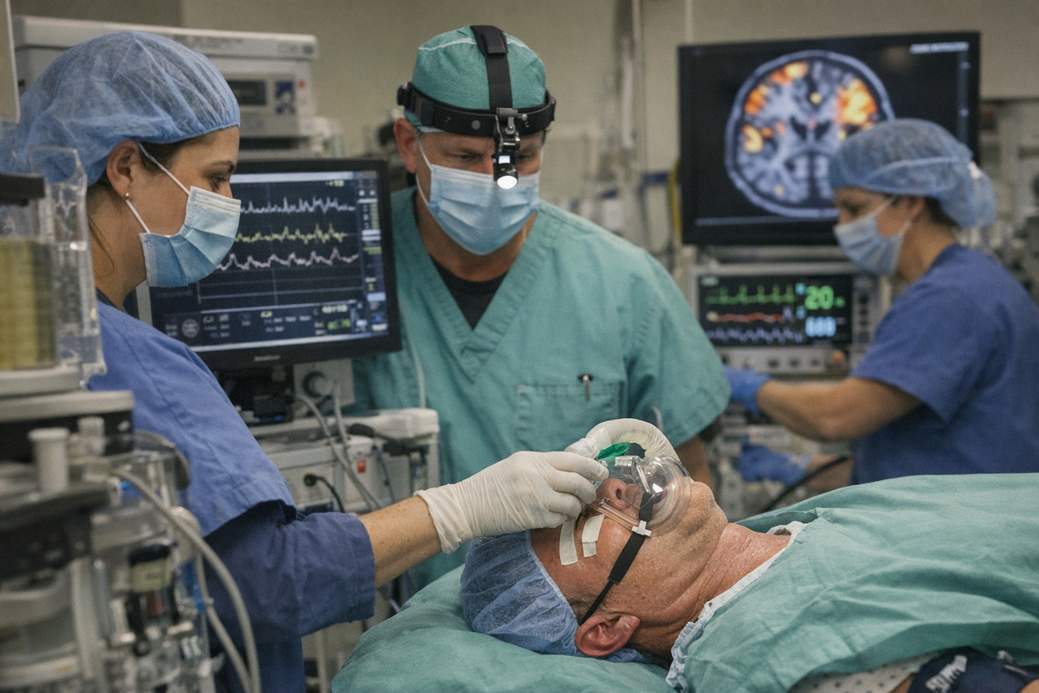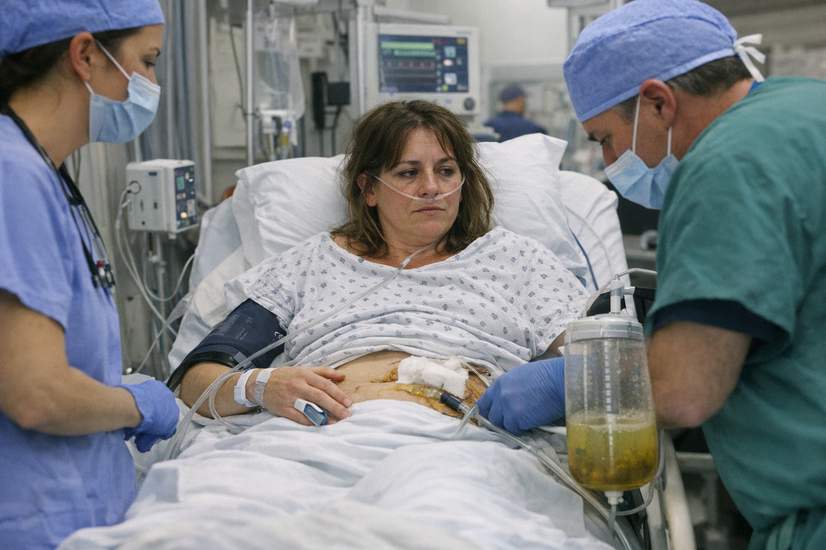
Picture this: it’s 2024, I’m in A&E, morphine doing nada, and surgeons are about to find bits of my bowel squeezing through a gap in my belly lining. Spoiler: pus, perforation, a five-hour operation and a gnarly drainage tube later, I wake up wondering how childbirth and my ruined intestine ended up in the same sentence.
Childbirth can be dramatic and heroic and life-saving — yes — but it also leaves some women with physical reminders that don’t disappear with the newborn snapshots. From bladder hiccups and chronic aches to scar tissue that can mess with your intestines or fertility, lots of people carry after-effects for years, sometimes decades.
How quick fixes can have long tails
We’ve gotten better at preventing death in childbirth — global maternal deaths relative to births dropped a lot in recent years — but long-term damage often flies under the radar. A big international review found that post-birth problems are wildly varied and frequently missed. In short: cracking the emergency is great, but the follow-up often isn’t.
Adhesions: the clingy scar tissue
My trouble began with an emergency caesarean. Days after my daughter arrived, I had another emergency op because stitches failed and my bowel got into trouble. I healed, had another baby, then seven years later an ordinary afternoon turned sideways: sudden, intense belly pain, vomiting, and the sort of panic where you lie on a video call pretending everything’s fine.
Turns out scar tissue (adhesions) from those earlier surgeries had knotted up my intestines and choked off blood flow. I spent 36 hours waiting — in agony — to see if the blockage would fix itself. It didn’t. My CRP, a blood marker for serious inflammation, skyrocketed and they took me back to theatre. They removed a chunk of damaged bowel and I survived, grateful but also newly aware that one operation had seeded the risk of future ops.
Why C-sections aren’t just a one-off event
Caesarean deliveries are increasingly common — about one in five births worldwide and a much higher share in some places. They can save lives, but they’re still major abdominal surgeries, and that carries consequences. Long-term studies have even linked past C-sections to slightly higher risks of later health problems, though why isn’t entirely clear: it might be the reasons that led to the C-section in the first place, or the surgery and its complications.
Scars from C-sections can make future pregnancies riskier (think placenta problems) and make repeat operations trickier. In short: we’ve normalised a big operation, and that can make it easy to forget the follow-up care it deserves.
Follow-up is patchy — and that costs people
Ironically, the surgery I needed created more scar tissue, and months later I had another emergency op. Surgeons warned it could happen again sometime — tomorrow, in decades, or never. That uncertainty is part of life after major abdominal surgery: adhesions can come back and they can bind organs together, causing pain and bowel trouble.
Research shows adhesions are common after C-sections: one study found about 37% of women with previous C-sections had adhesions, versus roughly 10% without. That’s not tiny.
Vaginal birth can leave its own scars
Vaginal deliveries aren’t neatly risk-free either. Deep tears, forceps or vacuum deliveries can damage muscles and nerves. A fourth-degree tear — which affects the anal sphincter — can leave someone with faecal incontinence, chronic perineal pain, and nerve damage. Women who lived through that often say it changes everyday life: planning routes with toilets in mind, avoiding social activities, even rethinking having more children.
Long-term figures are sobering: studies decades out from birth find many women still dealing with urinary incontinence, some with faecal incontinence, and others with pelvic organ prolapse. These problems can wreck confidence, relationships and work life — and they’re frequently invisible to others.
Chronic pain — real and often dismissed
Damage to pelvic nerves, such as the pudendal nerve, can lead to ongoing pain that’s hard to fix. One ugly truth is that women’s pain is sometimes minimised by medical staff. Hearing you’re “neurotic” while in pain is not uncommon in these stories — and it makes people less likely to seek help.
Mental health: the invisible follow-through
Physical injury and psychological harm often travel together. Traumatic birth experiences raise the risk of PTSD, depression and long-term anxiety about future pregnancies. Some people describe flashbacks, nightmares or a constant low-level fear that things will go wrong again. Even when symptoms persist for years, getting the right diagnosis or support can be a slog.
How to get through and get help
There’s no one-size-fits-all fix. But a few things actually help: better follow-up after birth, access to physiotherapy for pelvic issues, validation from clinicians, and peer support groups. For some women, paying for private physio was the only way to start feeling human again; for others, joining a local support group made isolation stop feeling permanent.
One practical tip: if something feels off — pain that won’t quit, bowel or bladder changes, or persistent numbness — push for answers. Ask for referrals, repeat your concerns until someone listens, and keep records of symptoms so you can show patterns rather than rely on memory alone.
Final note: knowledge is power (and a little sass)
After everything, I consider myself lucky: I recovered and don’t live in daily pain. But the experience taught me to treat post-birth care like a long game. Think of the baby as the sugar rush — absolutely glorious — and the mother as the wrapper we shouldn’t forget to look after afterwards. Speak up, find the right support, and if someone tries to wave away your pain, keep being annoyingly persistent until you get the care you deserve.
If this piece leaves you with one thought, let it be this: childbirth can leave souvenirs — sometimes painful ones — and it’s okay (and necessary) to ask for follow-up, treatment and a little compassion along the way.