Why the Odyssey is really a ladies’ club
Yes, Odysseus is the name on the cover and he gets most of the dramatic moments, but the Odyssey’s plot is basically a woman-powered logistics operation. From nymphs to goddesses, the female figures Odysseus meets steer his fate more than his sword ever does. Think less straightforward hero’s journey and more a soap opera where everyone’s plotting and everyone’s got charm as a weapon.
Calypso: comfort, captivity, or very long layover?
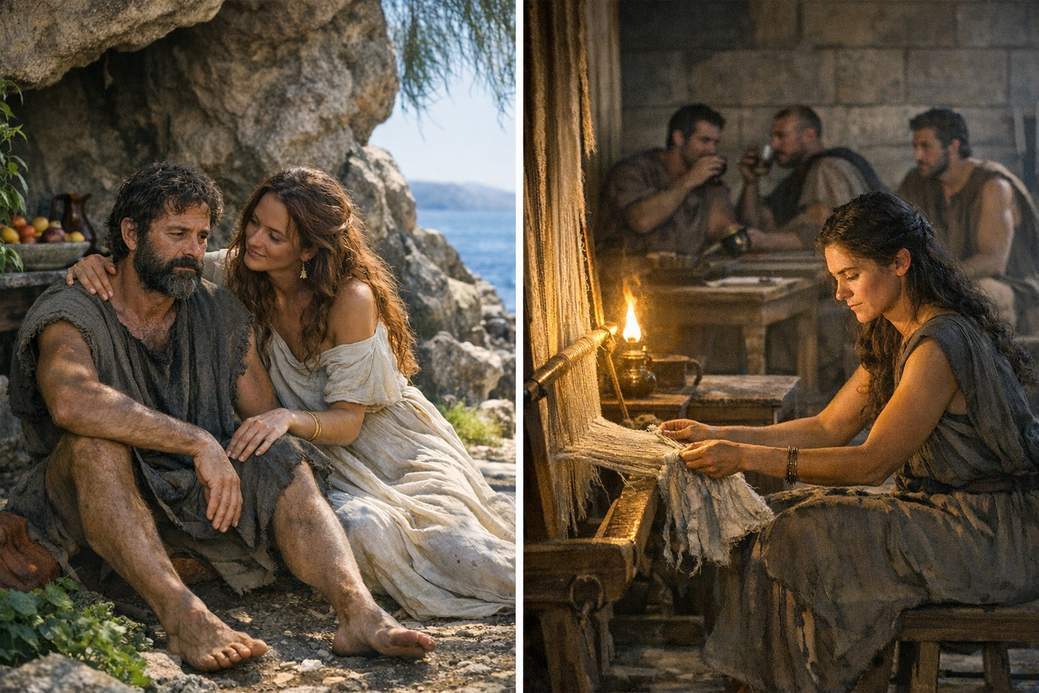
Our hero starts off marooned and broody on the island of Calypso, lounging in what looks like a forever holiday until a divine council says otherwise. He’s a battlefield legend but on Ogygia he’s oddly inert — modern readers might winkingly diagnose this as post-war trauma or just plain weariness. Either way, Calypso’s island is less a prison built of ropes and more one made of comfort and temptation.
Penelope: cunning, not couch-bound
Back in Ithaca, Penelope is running a sleepless, one-woman defense system. She fends off more than a hundred suitors with guile rather than muscle — the famous nightly unweaving trick is a brilliant, low-key act of resistance. Penelope isn’t a passive prize waiting for rescue; her subtle stalling is central to whether Odysseus will get to reclaim his kingdom.
Athena: strategic goddess with a male costume drawer
Unlike most divine helpers who stay above the fray, Athena plays hands-on matchmaker and PR consultant. She dresses Odysseus up, cleans up his story, and occasionally slips into male disguises so people will actually listen. The point seems clear: on Earth men hold official power, but women — even goddesses — manipulate events from the wings.
Siren songs and the hazards of sweet sales pitches
The Sirens are the ancient world’s ultimate Spotify playlist: gorgeous, irresistible, and deadly. Odysseus wants to hear them so badly he has his crew bind him to the mast rather than risk jumping ship. Their song is a reminder that charm can be lethal; you can admire it from a distance, but getting too close will wreck you.
Circe: witch, lover, and reluctant travel agent
Circe first looks like a harmless hostess — then poof: men turn into pigs. Yet she’s not a one-note villain. After a rough start she becomes an ally, lover, and the person who helps Odysseus navigate the underworld portion of his trip. She’s another example of female power that is both alluring and dangerous, and that forces Odysseus to adapt rather than bulldoze through.
The moral of the madness: moderation and messy humanity
Across the poem, Odysseus is constantly tested by seductive distractions and uncanny beings. The lesson the Greeks prized was moderation — know your limits and resist excess. The women and monsters in his path are not just obstacles; they are mirrors showing his flaws. His biggest battles are sometimes internal, fought against curiosity, desire, deceit and the urge to spin ever-grandiose stories.
Why the Odyssey still hooks us
What keeps the Odyssey relevant is not bronze armor or clever battle tactics but its messy humanity. Odysseus is brilliant, slippery, emotionally complicated and fallible — and the women around him amplify those traits. Contemporary retellings (yes, even the big-screen adaptations) tap into that mix of sex, strategy and power because it still feels uncomfortably true: people who charm you can also rule you.
Quick credits and final bite
The poem’s many female characters do more than add color — they are plot architects. Whether they seduce, soothe, trick or protect, these women are the gears that keep Odysseus’s story turning. Modern adaptations simply remind us that this ancient tale was never just about one man’s heroic return; it was, from the start, a complicated drama of influence, desire and control.
Note: The long-running cultural fascination continues with recent film adaptations bringing the Odyssey’s drama to cinemas, reminding us that Homer’s cast of queens, witches and goddesses still knows how to steal the show.