Intro — a recluse with a big bank account
J. Paul Getty was the kind of billionaire who preferred ancient stone over skyscrapers, cocktail parties with guards instead of limos, and counting coins to counting friends. By the time he died in the mid-1970s he was famous not just for his oil empire but for living like an eccentric duke in a Tudor mansion in Surrey.
How one Oklahoma oil strike turned a life into legend
Getty’s family fortune began when his father bought land in Oklahoma and struck oil — the kind of luck that turns a family business into a dynasty. Getty himself made his first big pile in his twenties and built on that foundation, eventually overseeing an international oil operation that kept him in the record books as one of the globe’s wealthiest people.
Sutton Place: a Tudor house turned fortified show-home
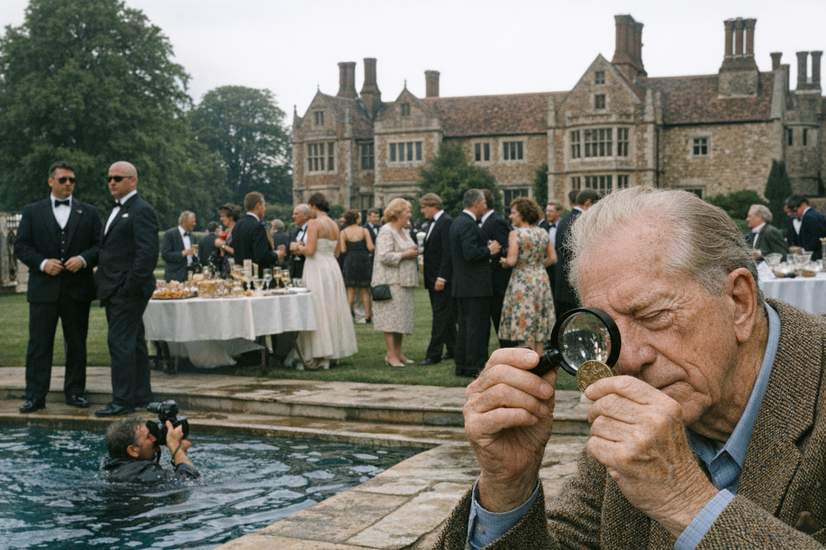
In 1959 Getty bought Sutton Place, a 16th-century manor that became his base. He threw a wildly ostentatious housewarming the following year that drew thousands of guests and a photographer who, legend says, ended up in the swimming pool. He lived there for the rest of his life, running his business from the country rather than a Manhattan office.
Eccentric habits — payphones, long tables and picky manners
He liked practical frugality mixed with grand gestures. Guests found coin-operated phones in the house so nobody could run up big bills, and meals were eaten at enormous dining tables flanked by works of art. Getty had a reputation for penny-pinching oddities — waiting for cheaper entry fees, avoiding extras in restaurants — even while surrounding himself with masterpieces.
Art, museums and a very public collection
Getty collected Old Master paintings and other treasures across multiple homes. His Malibu ranch eventually became a public museum, while his Surrey rooms displayed works by the likes of Rembrandt and Renoir. For someone who scrutinised pennies, he nevertheless invested heavily in pictures and culture.
Security, animals and castle-like paranoia
After years of living in hotels, Getty heavily reinforced Sutton Place: alarms, barred windows and doors, guarded grounds with dogs and even stories of a pet lion roaming the estate. He insisted these measures were just sensible precautions against thieves and troublemakers, though family members later described a man who genuinely feared being attacked or targeted.
Family drama: marriages, children and a notorious kidnapping
Getty married several times and had multiple children and grandchildren. The family saga turned tragic and public when a teenage grandson was abducted in Italy in the 1970s. The incident showcased Getty’s famously stingy reputation and complicated feelings about paying ransoms — a crisis that exposed the human cost inside a wealthy family.
What did he think about money and happiness?
Getty never made much of a secret that great wealth didn’t automatically equal bliss. He described responsibility and business pressure as heavy and said some of his happiest moments were the simple, free ones: riding waves at the beach or enjoying sunshine rather than splurging on luxuries. Money made his life big and secure, but it didn’t erase the burdens that came with running an empire.
Legacy — complicated and larger than life
J. Paul Getty left behind a complicated legacy: an immense fortune, an influential art collection and a theatrical public image of thrift and eccentricity. He’s remembered as much for his antiques and security fences as for the business instincts that turned a patch of Oklahoma dirt into lasting wealth — and for proving that being rich doesn’t guarantee being carefree.