What sank and why you should actually care
Back in 1989 a Soviet attack submarine called the K-278 Komsomolets caught fire and slipped beneath the Norwegian Sea. It now sits far below the surface — roughly 1,600–1,700 metres down — carrying not just a tragic crew list but also a handful of nuclear headaches. Think of it as a very expensive, very rust-prone souvenir nobody asked for.
The night it went under
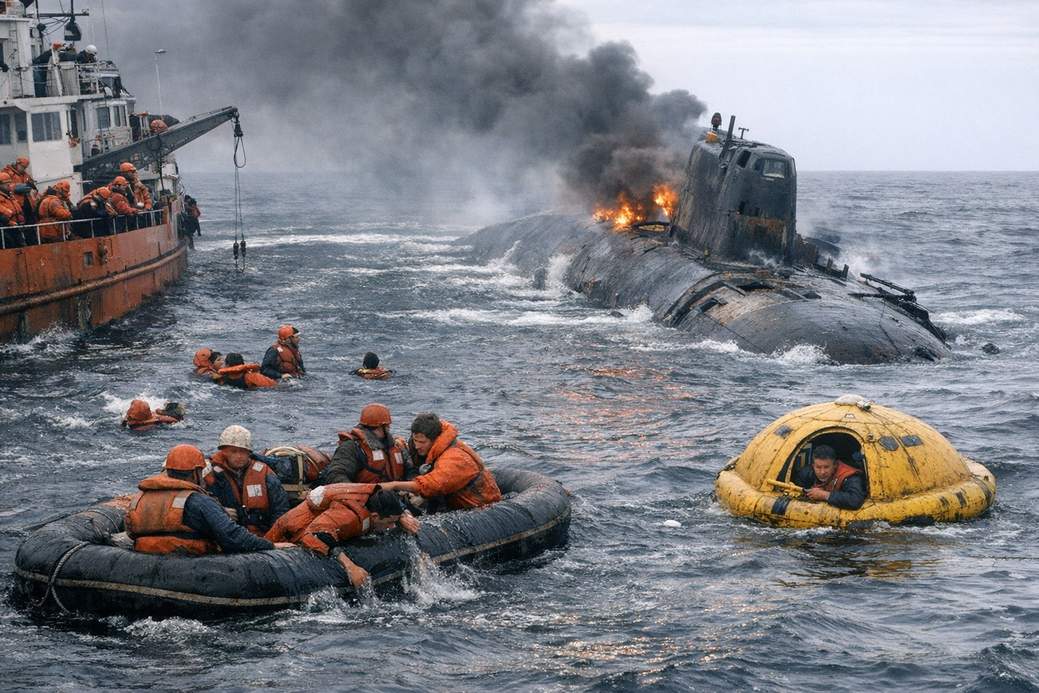
On 7 April 1989 the crew fought a fire and briefly managed to keep the vessel afloat, but after about five hours it sank. Of the 69 sailors on board, 42 died. An escape pod blasted free and carried five men toward the surface, but only one made it out alive before the pod filled with water. Grim stuff, but it set the scene for the long-running environmental concern.
Why this submarine is unusual
Komsomolets wasn’t your average Cold War bathtub toy. It was built with some serious engineering ambitions — designed to dive much deeper than most Western submarines of the era. Its unusual titanium hull and deep-diving capability made it a unique piece of naval hardware, and also complicated any rescue or salvage options once disaster struck.
The radioactive hitch
Inside the wreck are two torpedoes armed with small amounts of plutonium fuel — a few kilograms overall — plus a nuclear reactor. Once seawater met corroded metal, scientists warned that radioactive material could eventually leak into the surrounding waters and, possibly, the food chain. For decades that has been the worst-case scenario people worried about.
Attempts to plug the problem
In the mid-1990s engineers carried out deep-sea work to patch hull cracks and seal torpedo tubes. The fixes were clever and brave for their time, but not permanent — the sealant and repairs were only expected to hold for a few decades. In other words: they bought time, not forever.
New developments (yes, still ongoing)
A report published in March 2026 by Norway’s nuclear safety authority found that while the torpedoes currently appear contained, the reactor area is deteriorating and occasionally emits visible plumes of radioactive material. These releases aren’t continuous; scientists describe them as sporadic bursts coming from specific spots in the wreck, including a vent-like opening.
How worried should we be?
Officials say the current levels don’t seem to be causing major damage to marine life, but there’s a lot of uncertainty. Corrosion keeps happening, currents change, and materials that look stable now could start behaving differently as the wreck ages. Some experts point out that plutonium remains hazardous for tens of thousands of years, so even a slow leak is an indefinite concern.
Different experts, different takes
Opinion has swung between “this is manageable” and “this could be a long-term environmental problem.” Some engineers who helped design the sub thought it wasn’t an immediate catastrophe but still recommended raising it if possible. Environmentalists and independent analysts have stressed that more monitoring and fresh expeditions are needed to understand what’s actually going on down there.
What could be done next
Real talk: salvaging or doing large-scale repairs at nearly 1,700 metres is expensive, technically tricky and risky. The sensible first step many specialists recommend is another thorough expedition with modern equipment — cameras, sensors, targeted sampling — to map the current state and figure out if further interventions are realistic.
Bottom line
The Komsomolets is a deep-sea relic that keeps reminding us that Cold War leftovers don’t always stay in the past. Temporary fixes have slowed the worst outcomes, but the wreck remains an ongoing, awkward problem: not an immediate cinematic meltdown, but a slow-moving environmental puzzle that deserves attention before it decides to become everyone’s problem.