The latest strike
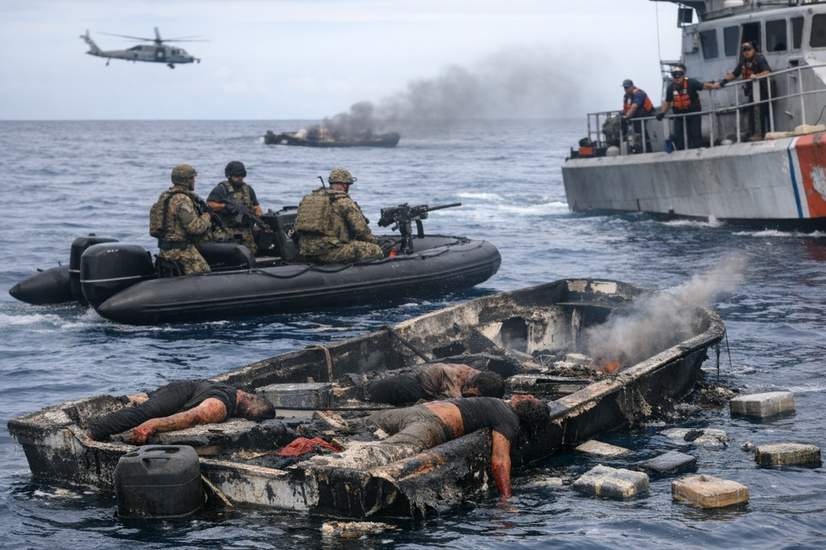
U.S. forces carried out another strike in the eastern Pacific this week that killed three people, the Pentagon said. Southern Command — the branch that handles U.S. military operations around Latin America — described the target as a vessel tied to groups it labels terrorist and said an unclassified video of the strike was shared publicly.
More strikes, more bodies
This was not a one-off. SOUTHCOM reported a string of similar strikes over the past days: one earlier this week that killed four people, another that killed two, and two strikes over the weekend that left five dead with one person initially reported alive before the Coast Guard called off the rescue. Taken together, officials say these operations have hit dozens of boats and left many dead.
How big is this thing?
Since early September, operations in the eastern Pacific and the Caribbean have targeted roughly 50-plus vessels and, by the Pentagon’s count, pushed the death toll into the triple digits. The military’s running total for these maritime strikes is at least 178 people killed, according to statements from the command.
Why the strikes? The administration’s take
The White House has framed this campaign as an escalation against drug cartels, with the president calling it part of an “armed conflict” to choke off the flow of deadly drugs into the U.S. Officials argue these hits are necessary to reduce overdoses and drug-related deaths at home.
Questions, critics and the messy reality
Not everyone is buying the official line. Critics have raised legal and practical concerns — asking whether these strikes follow international law and whether they actually stop the drug trade. For one thing, much of the fentanyl behind U.S. overdoses is believed to travel overland from Mexico, where it’s often produced using precursors from abroad, casting doubt on how much maritime strikes will curb supply.
Timing and context
The maritime campaign started months before the high-profile U.S. raid in January that led to the arrest of Venezuela’s then-leader, Nicolás Maduro, who was flown to New York to face drug-trafficking charges and has pleaded not guilty. The wider sequence of actions has added to the political and legal debate about Washington’s approach in the region.
The takeaway
Bottom line: U.S. forces are increasingly striking vessels at sea and saying they’re hitting cartel-linked targets, but the strategy has sparked serious doubts about legality, accuracy and effectiveness. The body count is rising, oversight questions are growing louder, and the public is left waiting for clearer evidence that these strikes will actually reduce drug deaths back home — or for a better explanation of what success looks like.