Your brain likes a bit of a workout — but don’t worry, it doesn’t have to feel like a gym session. Small, fun habits that nudge your noggin can help build up what scientists call “cognitive reserve,” which basically acts like mental padding as you get older. Here are three enjoyable, low-pressure ways to keep your brain spry.
Spatial skills: get lost on purpose (sort of)
Your sense of direction is more than a party trick — it’s tied to a brain area that’s sensitive to ageing. Doing things that make you navigate, map out routes or mentally picture spaces gives that part of your brain a workout. Think orienteering, exploring a new neighborhood without GPS, or playing block-building games with kids. Even some purpose-built video experiences can help — but probably not your usual racing game.
If you’re feeling brave, try routing a walk without checking your phone or taking a different bus route to the shops. It’s a tiny risk of mild inconvenience for a nice cognitive win. Plus, bragging rights when you actually remember the way home are real.
Stay social: don’t ghost your brain
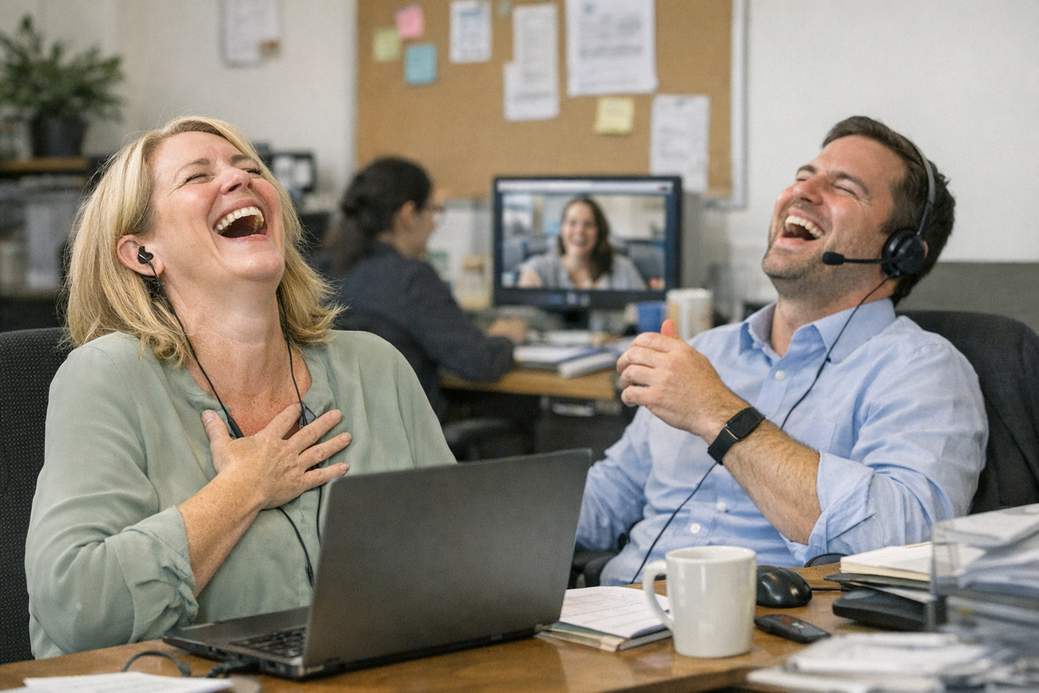
Talking, arguing, laughing and gossiping are surprisingly good for brain health. Social interaction engages language, memory and planning all at once, and it also cuts down stress — which otherwise can nibble away at your memory centers. Regular social contact in midlife and later life is linked to better thinking skills and a lower likelihood of developing cognitive problems.
So join a club, call an old friend, or swap book recs with a neighbor. Even small, regular catch-ups beat prolonged social hibernation. Your brain likes the drama — the friendly kind, not soap-opera levels.
Keep learning: curiosity didn’t ruin anyone
Education and lifelong learning build up resilience in the brain. Picking up new skills stirs up neuroplasticity — the brain’s talent for growing new connections — which helps it resist age-related decline. That’s true whether you’re taking a class, learning a hobby, or simply reading about something outside your usual orbit.
Try gardening, join a book group, learn a language phrase a week, or sign up for a short course. The goal isn’t perfection — it’s novelty and challenge. Little and often beats epic but rare bursts.
Wrap-up: tiny changes, big mood
You don’t need a radical life overhaul to protect your grey matter. Mix in navigational challenges, stay socially curious, and keep learning new things. Not only are these activities pleasant and often silly, they also help build mental scaffolding that can slow age-related decline — and make everyday life more interesting while you’re at it.