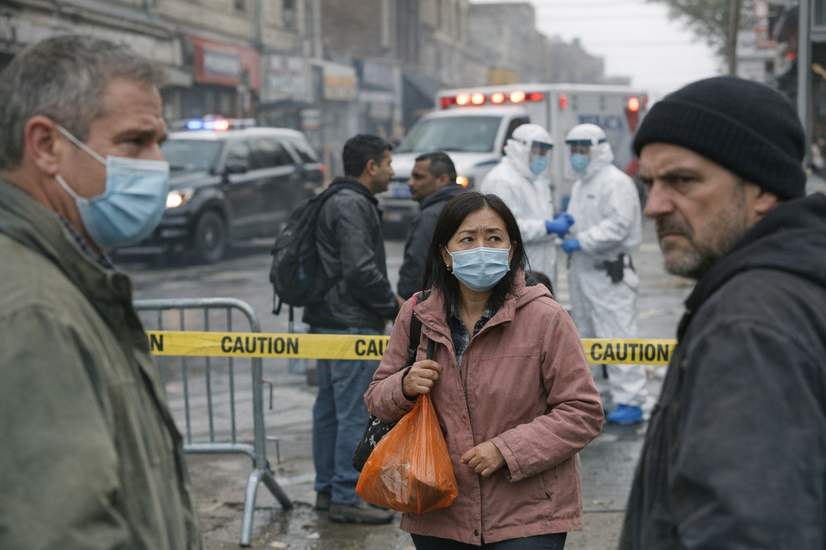
Why a headline about disease can make you act… strange
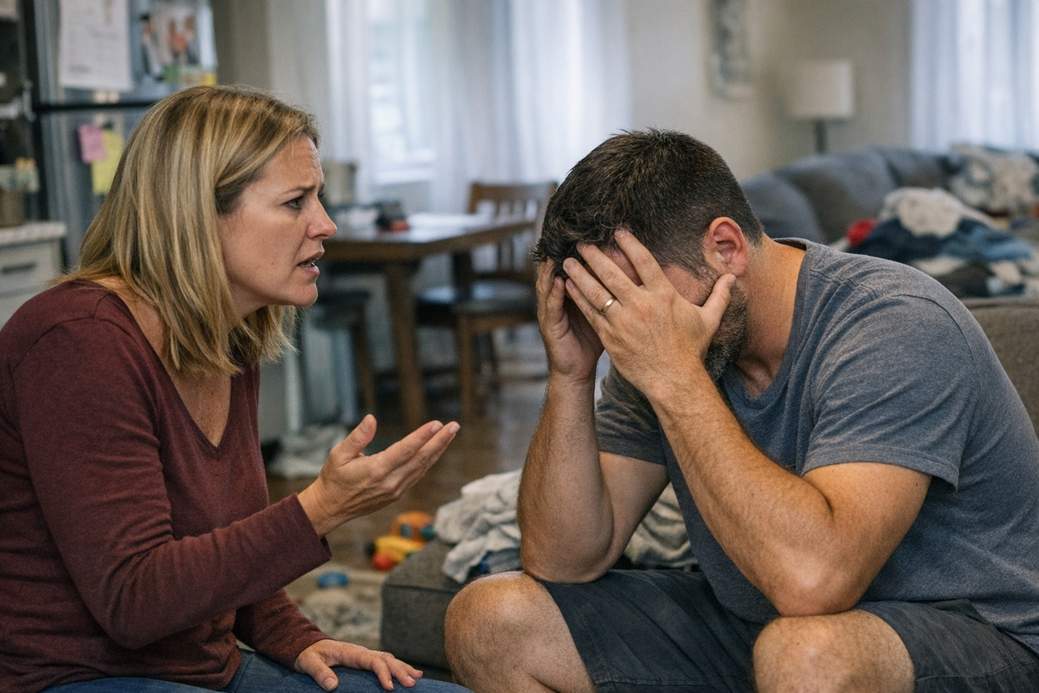
News about outbreaks — whether it’s Ebola in far-off places or the occasional hantavirus scare — does more than make us click. Even if you’ll probably never meet the actual germ, stories about sickness can tweak your brain in subtle ways, nudging you toward being more anxious, more judgmental, and a bit more suspicious of strangers.
What the heck is the “behavioural immune system”?
Besides the white blood cells doing the heavy lifting inside your body, humans also evolved a psychological backup plan. Scientists call it the “behavioural immune system”: a set of gut-level reactions (hello, disgust) and social impulses that help us avoid things that might carry disease. Smell something gross? You recoil. See someone flouting hygiene rules? You frown. It’s basically your brain trying to avoid a medical bill.
How it makes us cling to the herd
The behavioural immune system doesn’t only operate through gag reflexes — it also nudges us to follow social norms. Back in the day, sticking to group rules about food prep and waste disposal literally kept people alive. Fast forward to the present, and even tiny reminders of illness can make people more conformist: you’re more likely to echo the crowd’s opinion or punish folks who break the rules.
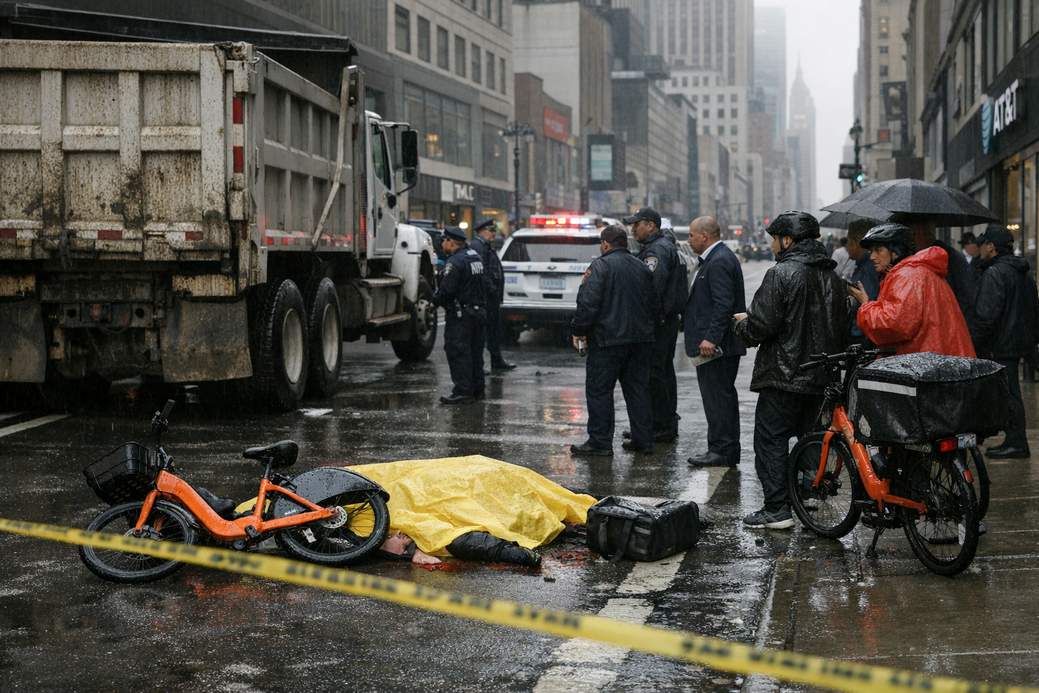
Lab experiments are messy and sometimes a little theatrical: people prompted to remember being sick tend to vote with the majority more often, and viewers shown disgusting images (think wounds and maggots) follow the crowd in rating abstract art more than those shown non-infectious shocks like car wrecks. Nasty images that hint at contagion seem to turn down the volume on individualism.
The moral policing part (yes, really)
Being tuned to infection can also make us morally uptight. When reminders of sickness are present, people get harsher about weird or gross social behavior — the kind of moral stick-wielding that would have helped keep groups in line during real outbreaks. So that judgmental inner auntie? Maybe she’s just doing evolutionary duty.
Outsiders, immigrants and suspicion
A less pleasant side effect is that this system can make us more wary of outsiders. Research suggests that when people feel their behavioural immune system is activated, they can unconsciously associate outsiders with disease — which in turn can shift attitudes about immigration and politics. That’s not an excuse for xenophobia, just an explanation for why it can flare up when disease stories dominate the news.
Pandemics: where theory meets messy reality
During real-world crises like Covid-19, researchers noticed trends consistent with the theory: dips in trust, extra vigilance, and sometimes more hostile sentiments toward certain groups. For example, surveys done in places hit hard by the pandemic showed links between fear of infection and colder views of minorities or immigrants.
But before we declare the behavioural immune system the puppetmaster of society, remember: real life is complicated. Big surveys during an outbreak are noisy — politics, media, personal history, friendships, jobs, mood, and plain old personality all swirl together. Some people are just more germ-freaked than others, and their reactions will be stronger. So the system nudges behavior, but it doesn’t determine it.
So what should you do when the headlines make you judge-y?
First, pause. Headlines are designed to yank attention; your brain will happily overreact. Take a breath, fact-check if you can, and resist the urge to assume strangers are disease vectors. A little empathy goes a long way — and also remind yourself that disgust and suspicion are evolutionary hand-me-downs, not moral absolutes.
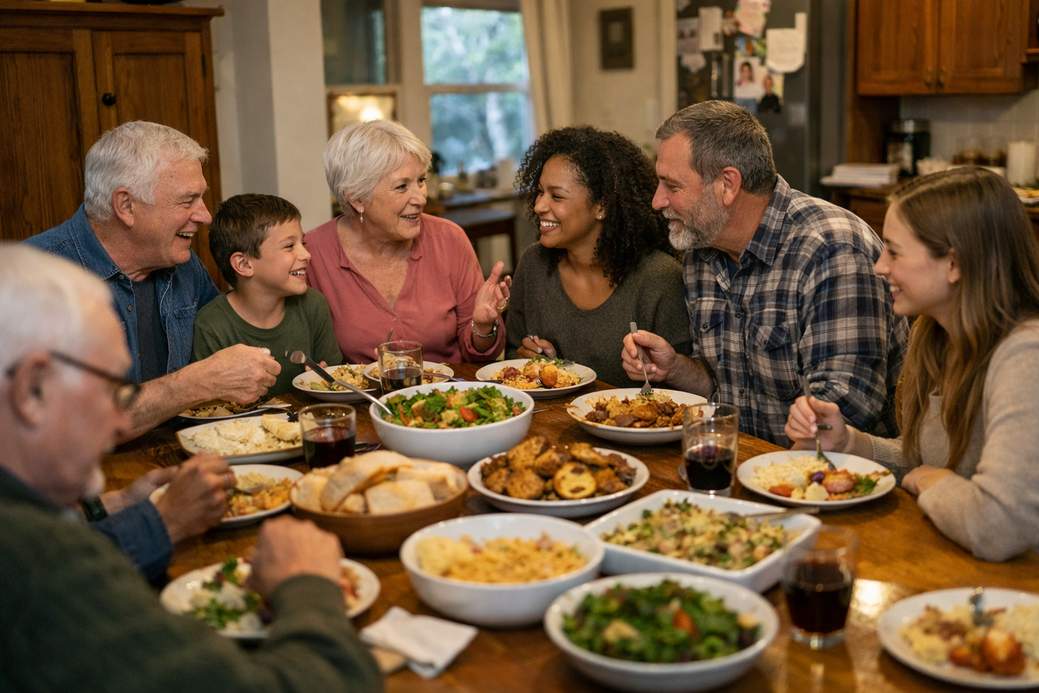
If you want to stay sane: focus on practical precautions (wash hands, get vaccinated if there’s one), avoid doomscrolling, and don’t let every scary news alert turn you into a rule-policing weirdo at family dinners.
Parting thought
Our brains are weirdly built to keep us healthy, sometimes at the cost of making us grouchy and suspicious. Knowing the trick your mind is playing can help you choose whether to follow it — or just laugh at how dramatic your inner germ alarm can be.