Intro: Your ears are not a backup drive
Quick truth: you can rebuild muscles, but you can’t regrow the tiny sensor cells in your inner ear. Lose them and that part of your hearing is gone for good. The surprising bit? It’s not just mosh pits and rocket launches that do the damage — everyday noises add up, and audiologists are seeing signs of trouble in younger people than ever.
How hearing actually works (in plain, non-scary terms)
Deep inside your ear is a snail-shaped thingy called the cochlea. It’s full of fluid and lined with microscopic hair cells that turn movements into electrical signals for your brain. Those hairs don’t heal if they get bent or broken by loud noise — no regrowth, no reset button.
Think of loud sound like a windstorm that bends those hairs until they snap. At many concert or stadium volumes, the damage can start in just 10–15 minutes.
Why you should care (besides not missing punchlines)
Losing hearing isn’t just about turning up the TV. It can make conversations tiring, push people away from social life, and even muddy early assessments of memory problems. In some cases the hearing loss can look like cognitive decline, so it’s worth taking seriously.
Concerts and headphones: how to enjoy music without paying later
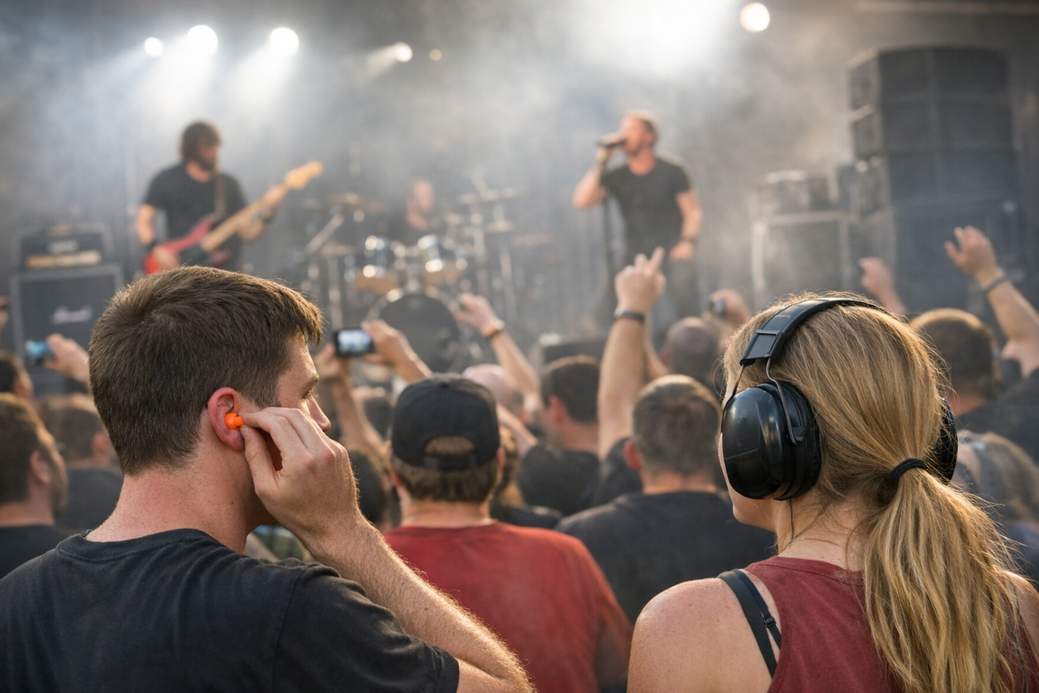
Live shows are loud by design. If you want the full concert but want to still hear breakfast in 20 years, wear earplugs. Foam ones muffle music; look for “high-fidelity” plugs that lower volume without turning your favorite band into soup. Custom musician plugs are fancier and pricier, but they’re worth it if you’re a frequent gig-goer.
Headphone-wise: many devices have volume limiters — use them. A simple rule: if someone standing just a bit away has to shout to get your attention, your music is too loud.
Yard work, power tools and the open road
Lawn mowers, leaf blowers and saws are louder than you think. Use ear protection — plugs, over-ear muffs, or both — and aim for higher noise reduction where you can. Earmuffs are forgiving and provide solid protection if you’re clumsy with small plugs.
On the highway, that wind noise from a rolled-down window is sneaky — regular exposure can cause one-sided hearing loss. Motorcyclists and road warriors: wear earplugs (the high-fidelity kind if you still want to hear sirens).
Don’t go overboard with earplugs
Your ears clean themselves with wax and movement. Shoving stuff in there — cotton buds or constant nightly plugs — can compact wax, cause muffled hearing, itching, pressure, and infections. If you suspect a blockage, let a clinician handle it or use doctor-approved drops and a gentle flush; don’t jam things in there.
Short-term earplug use for flights or noisy vacations is fine. Long-term nightly use is a recipe for wax trouble unless supervised by a professional.
When to get your hearing checked
Don’t wait until you’re straining through every group chat. If conversations in noisy places feel like a puzzle, if your ears ring after loud noise, or if you find yourself cranking volume up, book a hearing test. Hearing loss can show up at any age — early checks are better than late regrets.
Quick, silly-friendly tips to protect your ears
Lower the volume a notch — you’ll still enjoy the music, promise. Use high-fidelity earplugs at live shows. Choose electric tools over gas ones when possible. Give your ears a daily self-cleaning breather and avoid poking around inside. And if you love road trips with windows down, maybe let the fresh air in on quiet streets, not on the freeway.
Final note
Science is working on ways to regrow hair cells someday, but for now prevention is the best play. Protect what you’ve got — your ears will thank you later, and so will everybody who wants to tell you a joke when you’re 80.