Why pregnancy can flip the script
Pregnancy is a wild hormonal roller‑coaster — metabolism changes, boobs and bellies grow, sleep gets weird, and the brain gets a little dramatic. For most people these changes are a mixed bag of wonder and inconvenience, but for some they can awaken or worsen disordered eating. What starts as worry about weight or control can spiral into full‑blown illness, often when no one expects it.
One woman’s uphill battle
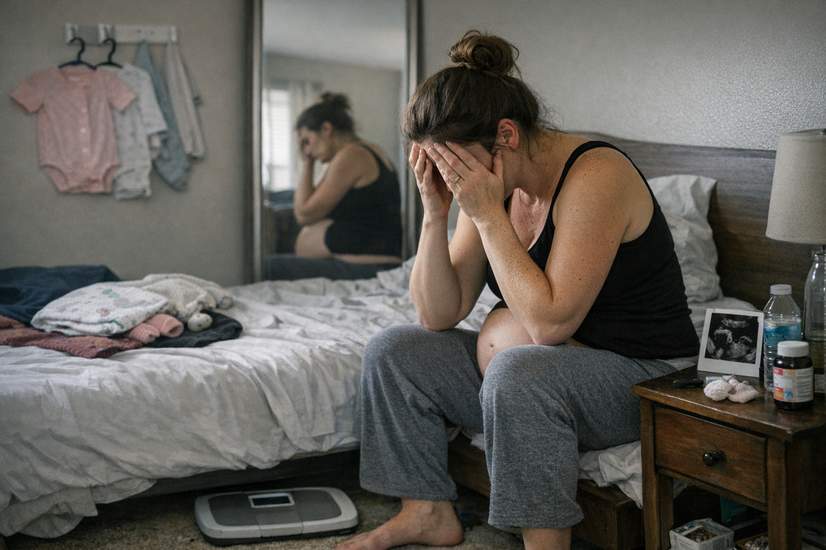
Take Elizabeth’s story: she recovered from anorexia in her twenties, then relapsed briefly and became pregnant. The physical changes she’d hoped would mean healing sometimes felt like an invasion. Some days she accepted her body; other days she barely recognized it. She describes it like waking up in a stranger’s body — a familiar scene for people whose eating disorders reassert themselves during pregnancy.
Does ‘pregorexia’ explain everything?
People have nicknamed some pregnancy‑linked body worries “pregorexia,” but the reality is messier than one catchy word. Eating disorders are most likely to appear at major life transitions — puberty, pregnancy, and perimenopause — when hormones, sleep and brain chemistry are all shifting. Globally, roughly 1 in 20 pregnant people will meet criteria for an eating disorder, and many more feel unhappy with how their bodies look during and after pregnancy.
Why cases are probably undercounted
Stigma plays a big part. There’s a stubborn myth that people simply “grow out of” eating disorders, and by the time someone becomes pregnant they may feel ashamed to admit old or ongoing struggles. Add limited screening in prenatal care, overlapping symptoms (hello morning sickness versus purging) and social pressure to be the eternally self‑sacrificing mom, and many cases fly under the radar.
The real health risks
An eating disorder during pregnancy isn’t just psychological — it can harm both birthing parent and baby. When nutrient supply is tight, the body prioritizes the fetus, which can leave the parent depleted. People with anorexia or bulimia face higher odds of severe nausea, bleeding, anemia, miscarriage, low birth weight and premature delivery. A baby’s first thousand days shape long‑term risks for things like obesity and diabetes, so maternal nutrition matters a lot.
Postpartum: the relapse danger zone
Some people manage to keep symptoms in check while pregnant and then see them flare after birth. The postpartum period is ripe for relapse: sleep deprivation, sudden hormone shifts, intense new responsibility and fierce pressure to “bounce back” physically. For some new parents, those emotions are so raw they become suicidal at their worst — which is why supportive follow‑up matters.
Stories that remind us it’s complicated
Courtney, a yoga teacher, spent years battling anorexia and obsessive exercise. She feared weight gain during pregnancy and later experienced terrifying postpartum rage and hopelessness. Working with a therapist and keeping hold of meaningful anchors — like her child and her yoga practice — helped. Emily, who’d been open with her medical team about past eating disorders during pregnancy, says she was left to cope alone when those old struggles resurfaced. These personal accounts show how inconsistent care can be.
Why clinicians sometimes miss it
Pregnancy is a medicalized time: weight, scans and diets are monitored closely. That should help, but it can backfire for people with eating disorders, who may dread or hide from the attention. Clinicians can mistake symptoms for normal pregnancy changes, or simply lack training in how to ask about and treat eating disorders in expectant people. Research on tailored treatments during pregnancy is still sparse.
Practical things that help
Experts say the best care is nonjudgmental, team‑based and flexible. Small changes in clinic routines — like not announcing weight numbers publicly or focusing less on size — can make a big difference. Multidisciplinary support (obstetricians, dietitians, mental‑health professionals) and early disclosure to a trusted clinician or loved one also improve chances of recovery. There aren’t many pregnancy‑specific, evidence‑backed medications or therapies yet, but general eating‑disorder treatments and collaborative care are the current go‑tos.
Hope and next steps
Awareness is growing. New clinical guidelines and resources created by researchers and clinicians are starting to fill gaps, and some people find pregnancy can actually be a strong motivator for recovery. It’s a tricky, emotional time — but with the right support, it can also be a turning point. After all, recovery rarely happens in isolation; the truest progress usually comes with a good team, a few honest conversations, and something — a baby, yoga, a friend — that outshines the old, loud negative voice.