Meet the giant red fan
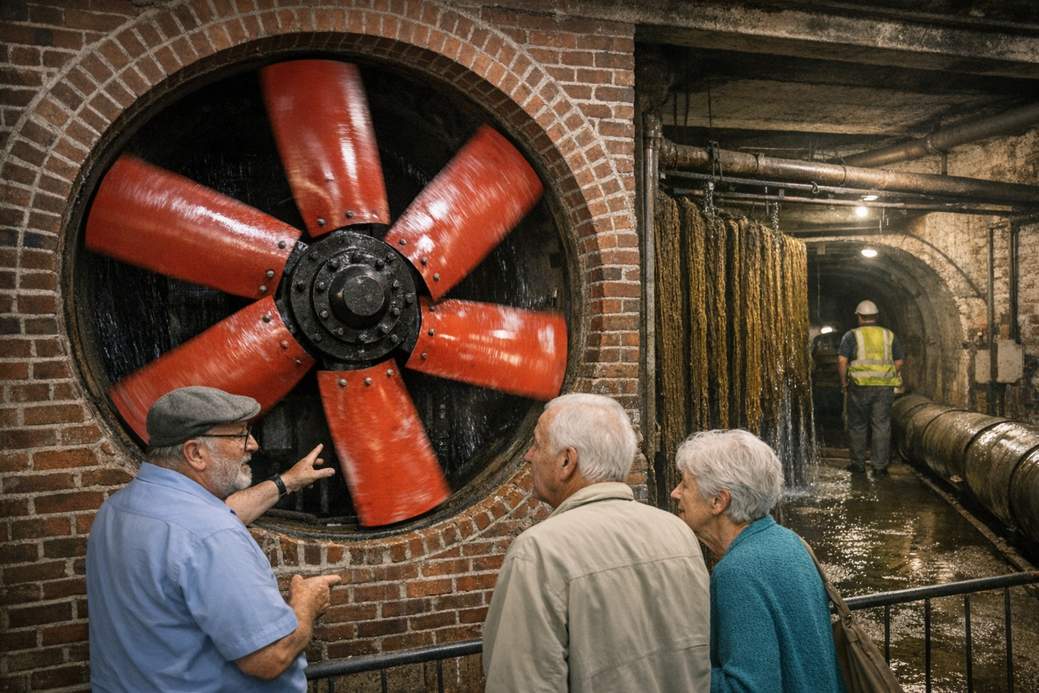
Picture a six-bladed, glossy-red fan set into a brick wall like some steampunk sculpture. It’s heavy enough to anchor a ship, but when you touch a blade it glides like butter — smooth, silent and somehow proud of its 123 years. That contraption sits in Belfast’s Royal Victoria Hospital and was part of one of the world’s earliest mechanical cooling systems, installed back in 1903.
How the old-school cooling trick worked
Rather than refrigerant and compressors, engineers used coconut-fibre ropes kept damp with cool water. Air was pulled across those ropes, sent down a long, slightly uphill tunnel and then piped into wards through hidden openings. The goal was simple: make the indoor air fresher and cooler so patients healed faster — basically medicine with a breeze.
Why cooling matters more than ever
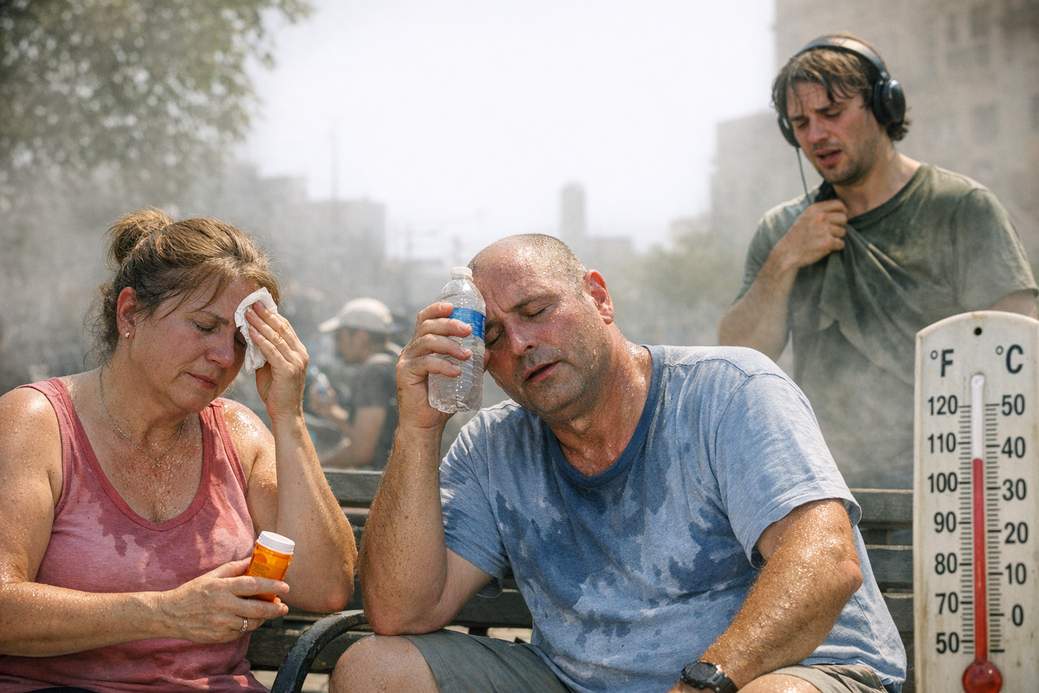
With heatwaves getting nastier, having somewhere reliably cool isn’t a luxury — it’s a lifesaver. Hot weather can worsen medical conditions, crank up aggression, gum up medication effectiveness and even push vulnerable people toward fatal outcomes. Access to cooled public spaces and active cooling systems cuts those risks dramatically; some research suggests air conditioning prevents a very large number of heat-related deaths every year among older adults.
Hospitals: where cooling can literally save lives
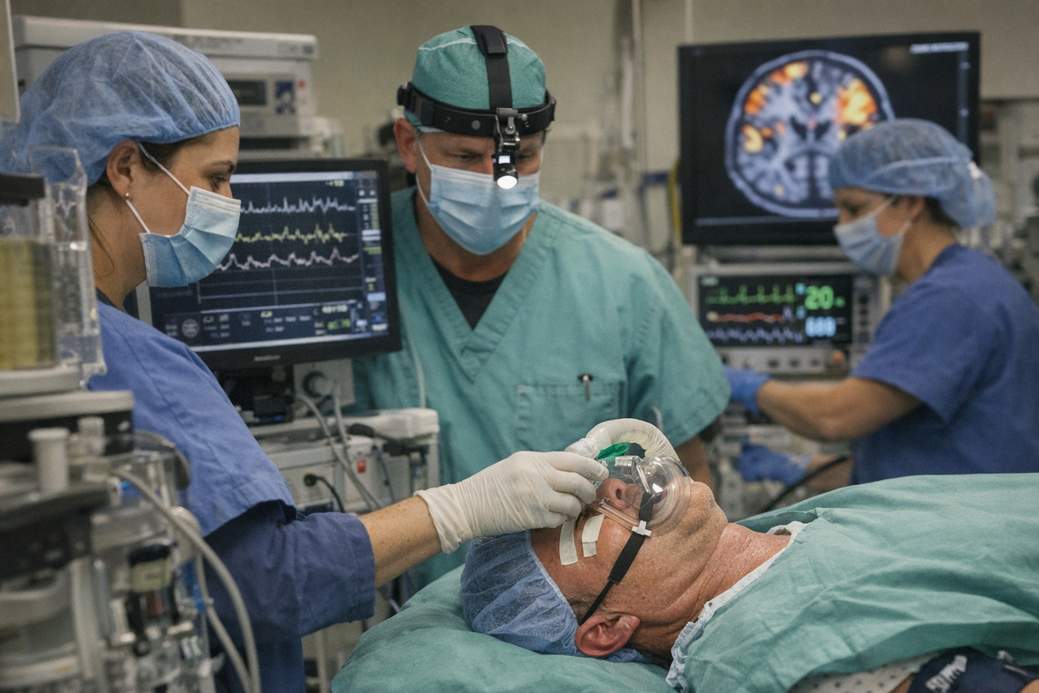
In healthcare settings, temperature control isn’t about comfort charts — it’s clinical. Proper cooling can reduce heat-related deaths in hospitals, so failures are treated like emergencies. Back in the day, Belfast’s system kept wards at a calm, healing temperature when outside was far less friendly; today, the same logic drives hospitals to demand modern cooling.
Public cooling, old ideas meet new needs
Cooling for entire communities isn’t novel. Jodhpur, India, for example, runs a solar-powered cabin that pulls air through misted khus (a traditional grass) curtains to shave off more than 10°C inside — a low-tech cousin of Belfast’s coconut ropes. Cities around the world are now rolling out climate shelters and cooled public spaces so people who work outdoors or can’t afford private AC have somewhere to breathe easy.
Maps, apps and the hunt for shade
When you’re wilting, the question becomes: where can I cool down? Some cities make interactive maps listing reliably cool spots — libraries, museums, stone churches — and volunteers create directories of businesses likely to have AC. Not perfect, but useful when the pavement feels like a skillet.
Lessons from a brutal summer: Europe 2003
The 2003 heatwave in Europe was a grim wake-up call, killing tens of thousands of people and overwhelming hospitals. Intensive care teams who endured that summer remember improvising with cold bottles and fans while patients suffered heat-induced collapse. Studies from that crisis linked higher death risks to lack of air conditioning in hospital care — a stark reminder that cooling is a medical intervention, not just a comfort feature.
The dirty little secret: environmental costs
Air conditioning is effective, but it’s also thirsty for electricity. Globally, cooling already eats a significant slice of power and adds to CO2 emissions; some refrigerants are shockingly potent greenhouse gases. That creates an awkward trade-off: the very systems that protect people from heat can, if powered by fossil fuels or badly managed, worsen the climate problem that causes more heatwaves.
Can we cool without frying the planet?
Passive tactics — shading, reflective roofs, clever insulation — help a lot, but they usually aren’t enough when temperatures spike in cities. Fans are cheap and helpful up to a point, but they can spread germs in healthcare settings and fail when heat tops extreme thresholds. The sensible path mixes smarter design, cleaner energy for cooling, targeted public shelters and upgraded hospital systems so people stay safe without accelerating the next heatwave.
Money, policies and reality
Governments and hospitals are waking up to the bill: emergency purchases, funding rounds and long-term plans to put cooling where it’s most needed. Still, installation and running costs are barriers, and many old buildings — even the iconic hospital in Belfast — are only partly air-conditioned because full coverage is expensive.
Old fan, fresh message
The preserved fan at the Royal Victoria Hospital is more than a museum oddity. It’s a reminder that people have been inventing ways to cool public spaces for over a century, and that those inventions can save lives. The technology has changed, but the basic idea hasn’t: give people safe, cool space when the world turns up the heat. And if a 123-year-old fan can still make you smile, maybe we can find clever, kinder ways to keep everyone from melting in the future.