Intro: why I’m hauling water bottles like a gym clown
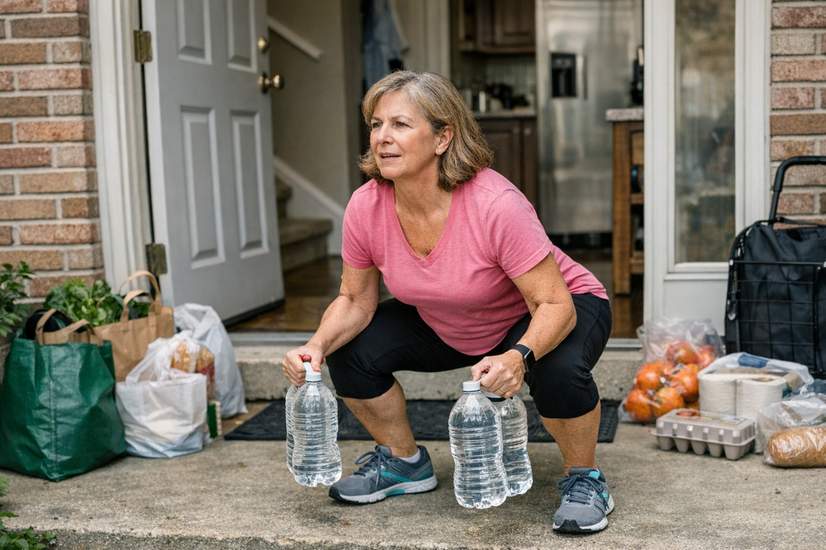
I was the person doing squats with two-litre water bottles in my hands while bringing groceries inside. No, I hadn’t lost my mind — I’d just decided to sneak a little strength work into life’s awkward moments. If you mostly do cardio, you’re doing great for longevity. But a little resistance training makes the years you’ve got feel a lot better.
Why strength is the underrated superstar
Think of strength as the quiet sibling at the family health reunion — not flashy like a marathon, but hugely useful when things get real. Building muscle helps with everyday tasks, posture, and keeps your body more resilient when illness or surprises pop up. In short: it’s quality-of-life insurance.
Big improvements come quickly (especially if you start now)
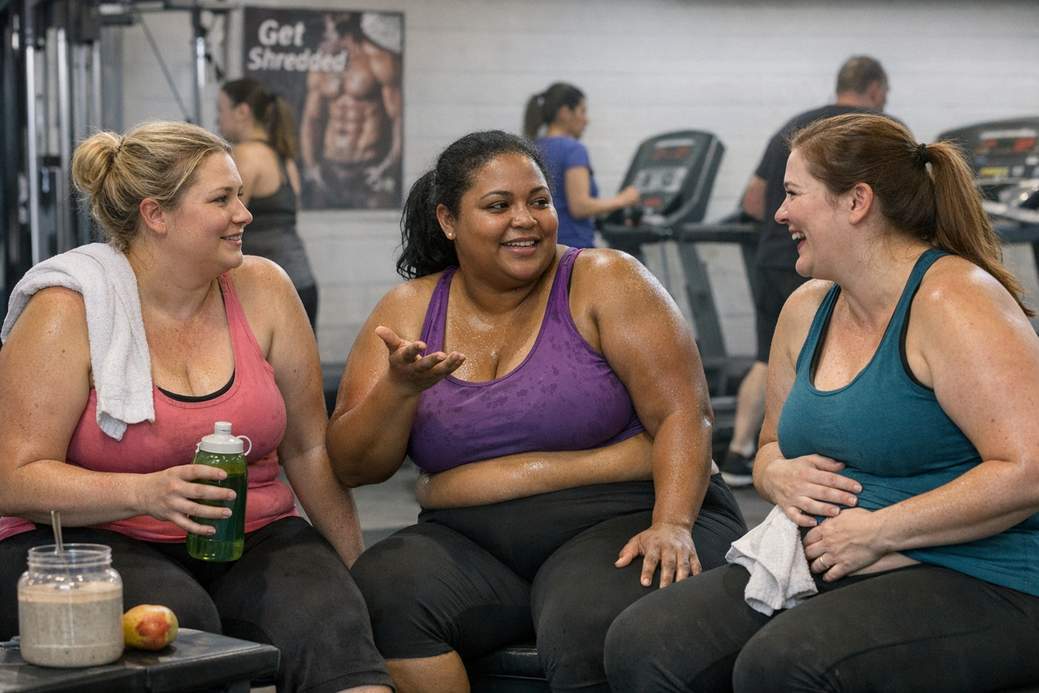
If you’re new to lifting, you’ll see the biggest gains compared with doing nothing. Beginners get the most bang for their buck, so don’t let the gym bros intimidate you. Start with about two sessions a week of 20–30 minutes, pick a few moves, do several reps per set, and repeat those sets two or three times. That small habit beats zero every time.
Keep it simple: big, useful moves
You don’t need a fancy gym membership. Chair-assisted squats, sitting down and standing up from the couch, and using canned goods or water bottles for curls all count. If you do go to a gym, prioritize full-body lifts that move lots of joints and muscles — think squatting, pressing, and pulling (the classic squad of squats, bench-type pressing and deadlift motions). Don’t forget overhead presses: back and shoulder strength do wonders for posture and spine stability.
Make it a challenge — but not a heroic overdo
As you get stronger, nudge the difficulty up a little: more weight, one or two extra reps, another set, or hold planks for a few extra seconds. The trick is gradual progress — small, consistent steps over months are where the magic happens. You shouldn’t leave the gym crawling like a defeated lobster; aim for something that’s pleasantly annoying, not life-ruining.
Real benefits — body and brain
Even short weekly sessions pay off. Research links modest amounts of muscle-strengthening activity to lower risks of major illnesses and even reduced chances of early death. Doing a bit more amplifies the benefit, and combining strength work with aerobic exercise seems to be the best combo for both living longer and living better.
Any age can join the party
People in their 70s and beyond still gain perks from regular strength training — better function, more muscle, and a buffer for when life throws curveballs like illness or surgery. Think of each workout as a pension deposit for your future self. There are mood wins too: some folks find the gym clears their head and burns off anxiety in a very satisfying way.
Where to fit it in
Pick moves you enjoy and that fit your daily routine. I now sneak in a quick plank or a few squats before coffee or between meetings — tiny routines that add up. Start small, be consistent, laugh at the silly water-bottle-squat moments, and your older self will high-five you later.