The summer that made studio execs check their spreadsheets twice
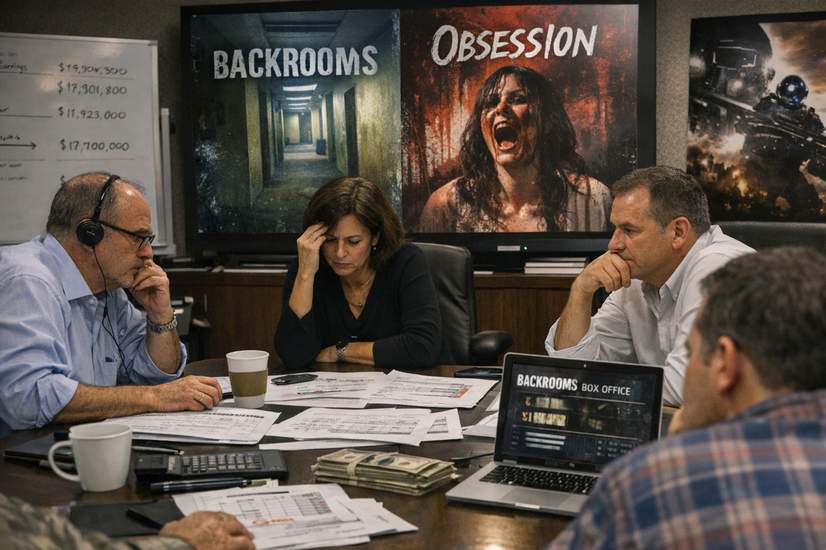
Some summers you get giant spaceships and toy-based muscle men. This summer, you got two tiny, nasty horror movies that cleaned up at the box office and left the blockbuster tent shaking. Backrooms and Obsession — both made for pocket change compared with the usual Hollywood monstrosities — outperformed expectations and made people inside the industry do an audible gasp.
Small budgets, surprisingly big paydays
Let’s talk numbers without the usual doom-and-gloom. The big-budget epics this year needed hundreds of millions just to break even, with production and marketing budgets pushing them into the stratosphere. Meanwhile, Backrooms reportedly cost around $10 million and Obsession was made for about $1 million. Yet both have hauled in far more than their budgets — enough to make studio accountants rub their eyes.
What these films actually are
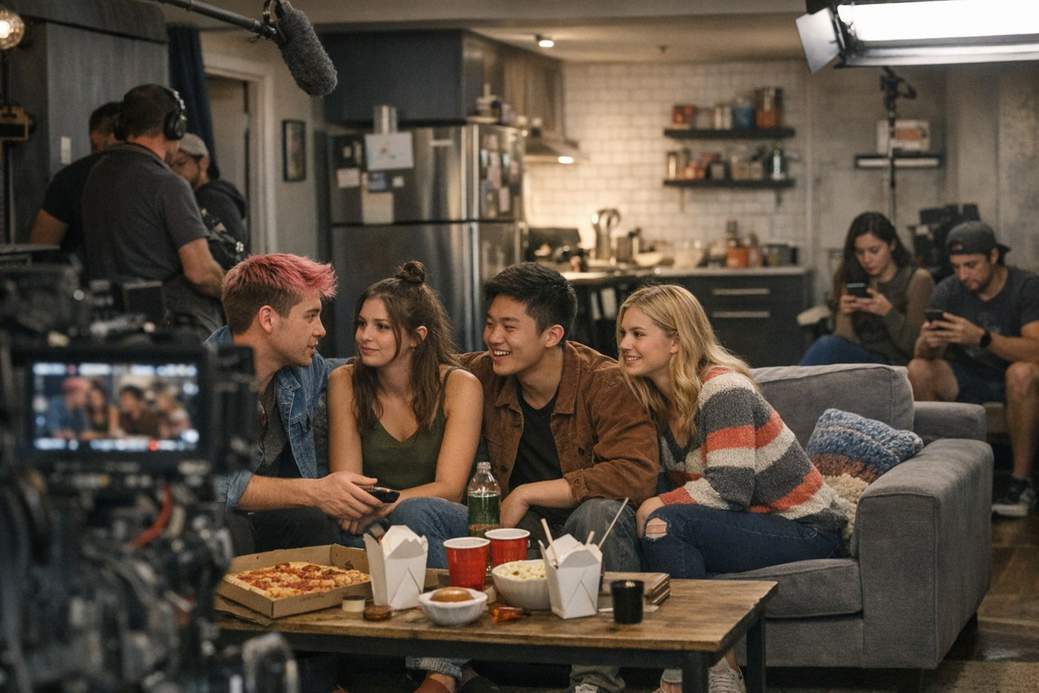
Backrooms is a mood-heavy, creepy maze-of-rooms movie featuring familiar faces and moody lighting. Obsession is a gruesome cautionary tale about an awkward guy whose feelings go very, very wrong. Neither is a gleaming franchise launchpad, and neither relies on stars or nostalgia to do the heavy lifting — they rely on atmosphere, shock, and word of mouth.
Young filmmakers, old-school hustle
Both directors come from a Gen Z background: they learned their chops online, cut their teeth with short videos, and built fanbases before anyone offered them a studio paycheck. That DIY route let them experiment, iterate, and find an audience without a film-school degree or a studio mentor. The result: filmmakers who get what younger audiences want because they are younger audiences.
Why Gen Z turned up
It’s not just who made the films; it’s who went to see them. Younger viewers have been showing up for theatrical experiences more than older groups lately — they like going out, hanging with friends, and watching something communal that’s worth talking about afterwards. A tense, puzzly horror movie lends itself to post-screening debate and social media dissection in a way that a lot of franchise fare doesn’t.
Horror fits the bill
Horror is a natural breakout genre for this moment. It can be produced cheaply, it thrives on shared audience reactions, and it gives people stuff to debate online. Films that leave room for interpretation — and for heated online take wars — become social events, which is exactly what modern cinema-going crowds love.
What studios should learn (and what they probably won’t)
The takeaway is obvious: you don’t always need to spend a fortune to make a hit. That said, Hollywood is famously conservative. Expect legacy studios to keep making flagship tentpoles, but also expect them to go fishing on YouTube and indie platforms for creators with prebuilt audiences. Smaller, nimble studios that back original ideas will likely keep stealing headlines.
So, is this the end of the blockbuster?
No — big-brand movies will still roll out. But the power balance is wobbling. A handful of tiny, original films proving that passion projects can be profitable forces the industry to rethink the same-old sequel treadmill. If nothing else, it gives cinemas another card to play: authentic, weird, and inexpensive stories that get people talking — and buying tickets.
Final thought
In short: Hollywood’s spreadsheet party has been gatecrashed by two bargain-bin horrors that refused to be ignored. Young filmmakers, hungry audiences, and the viral life of a good scare can be a terrifyingly effective combo. Popcorn sales remain steady; suits are stressed; cinema survives, slightly weirder and maybe a little wiser.