A neuroscientist’s guide to future-proofing your brain and thinking smarter in the 21st Century
Why bother upgrading your noodle?
If the world feels like a fast-moving roller coaster designed by a caffeinated robot, you’re not alone. Hannah Critchlow’s new book is basically a friendly nudge saying: your brain is older than your smartphone, but it can still learn some new tricks. Instead of rewiring silicon, she asks how we can use what we already know about brains to stay nimble, curious and human when AI starts doing the boring bits.
Which brain skills actually matter now?
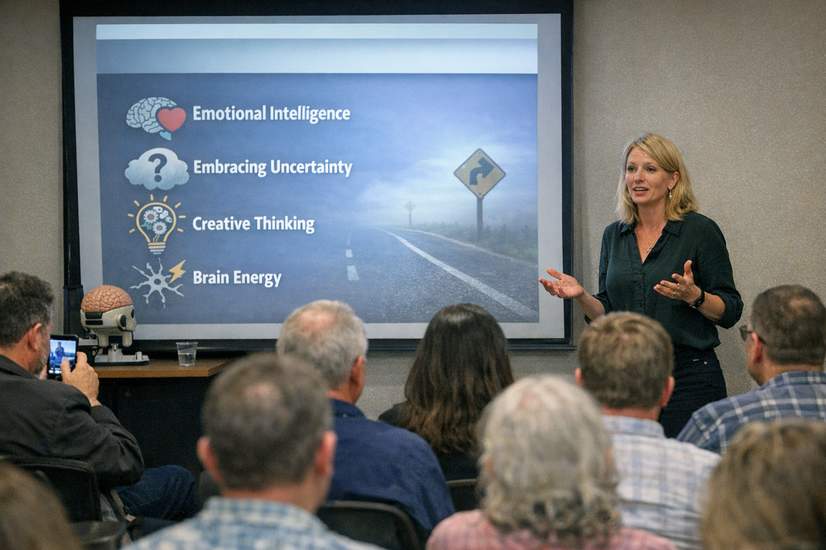
Forget the fads — Critchlow zeroes in on the underrated stuff: emotional smarts, the ability to tolerate uncertainty, creative daydreaming, and the cellular horsepower that keeps thinking running smoothly. In short: social sense, flexible thinking, weird idea time, and clean energy for your cells. Sounds like a life-hack vending machine, right?
Emotional intelligence: not just corporate jargon
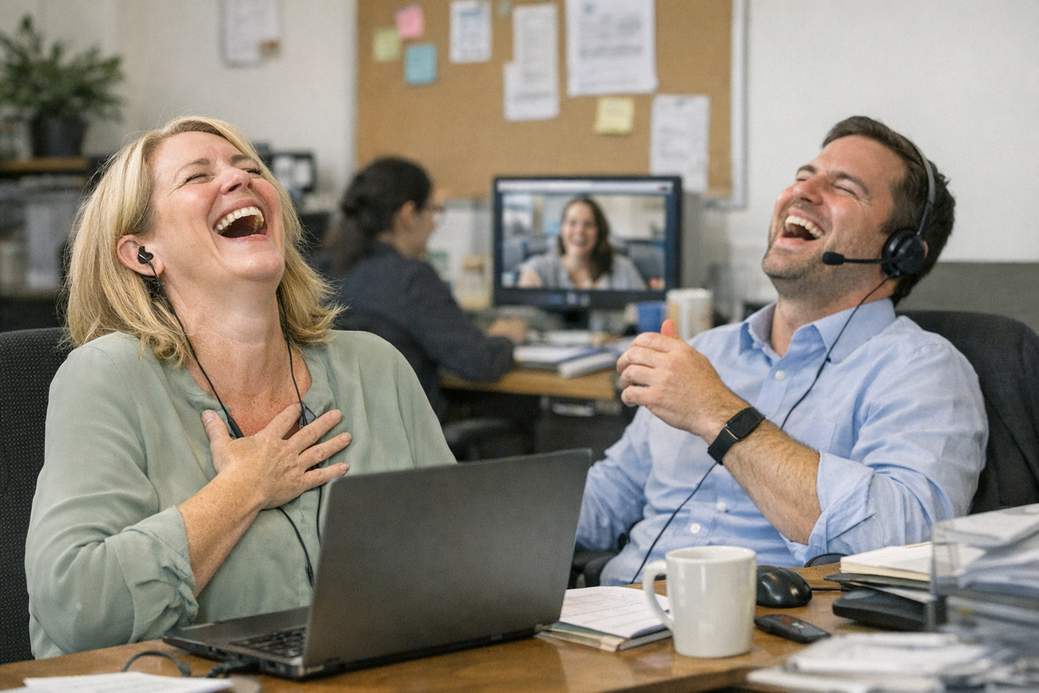
Being good with feelings isn’t soft — it’s practical. People who understand their emotions and can relate to others tend to be happier, get along better, and do well in school and work. The kicker: while genes play a part, empathy and self-awareness can be practiced. Start small: ask yourself what you’re feeling and why, and treat yourself like a slightly stressed friend. That tiny act of self-compassion often makes you kinder to others, too.
Your gut might actually make you nicer
Yes, your gut is more than a snack critic. Research has shown that changing the diversity of gut microbes (think probiotics vs. placebo) can nudge people toward more generous choices. The gut talks to the brain through neural and chemical pathways, and some of those microbial messages appear to influence social decision-making. So, in a weird twist, feeding your gut well could help feed your empathy.
Creativity: daydream like it’s your job
Great ideas often show up when you’re not forcing them — during walks, showers, or that drifting zone between wakefulness and sleep. Letting your mind wander boosts calm brain rhythms linked to creative thinking. Nature strolls and decent sleep are creativity steroids: they give your brain space to recombine random thoughts into useful (and sometimes brilliant) nonsense. Historical myths about eureka moments? Probably just relaxed brain vibes.
Move, sleep, and fuel your brain engines
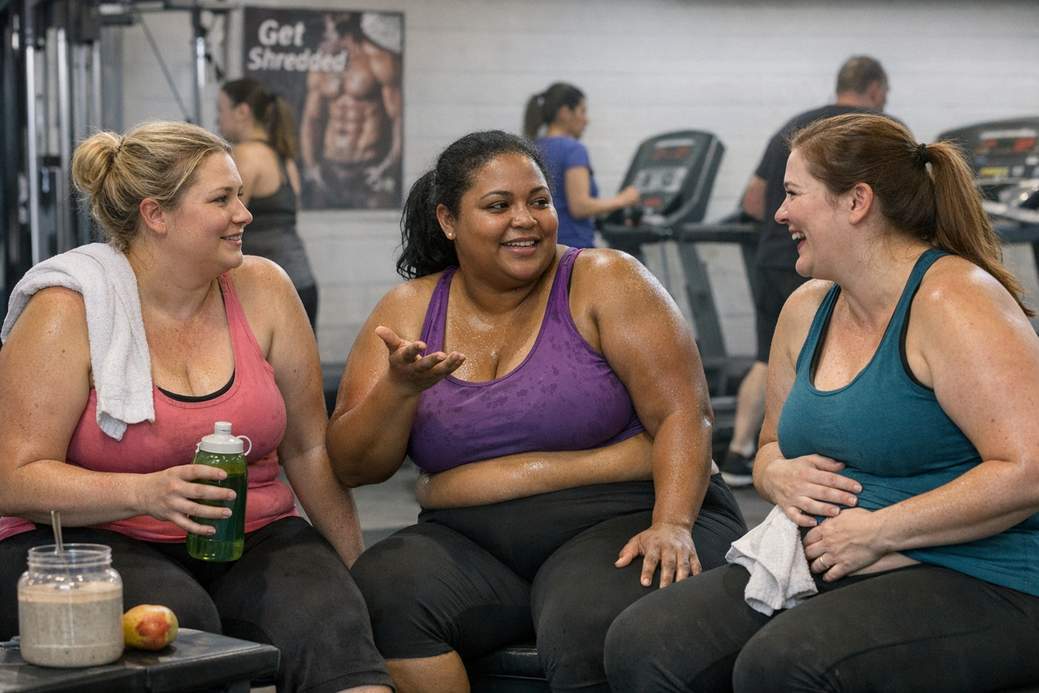
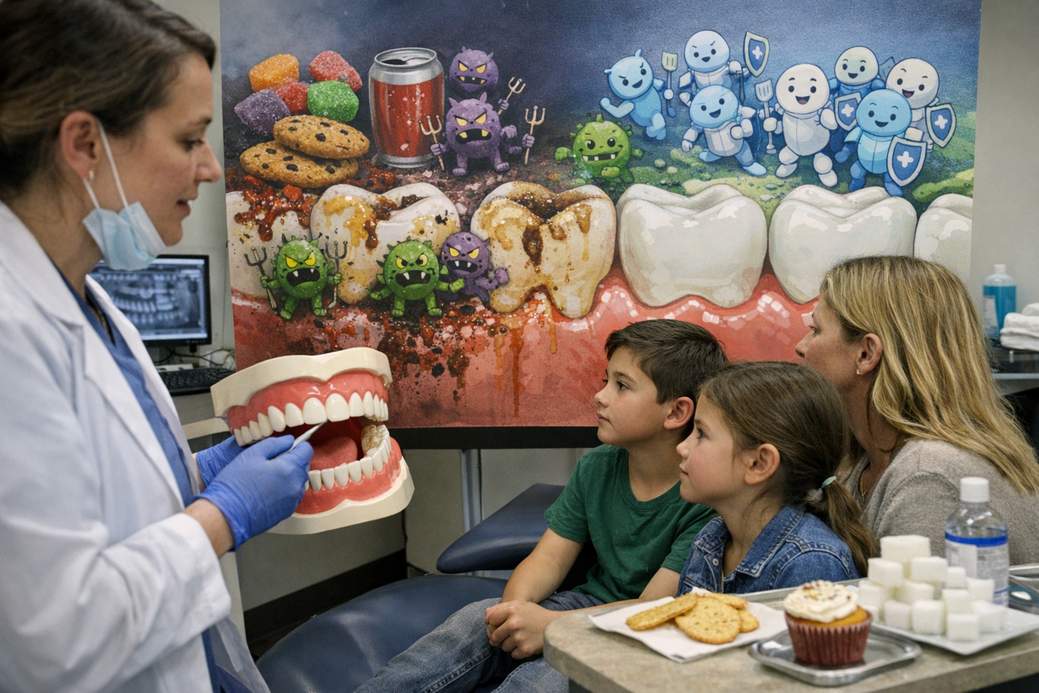
Your brain is greedy for energy, and the tiny powerhouses inside your cells — mitochondria — are the fuel stations. Exercise helps make more of those power stations; sleep clears out metabolic rubbish; and real food gives mitochondria the right input. Translation: move so you make more energy factories, sleep so they don’t get gummed up, and avoid living on candy if you want your thinking to hum.
When modern life feels like too much
Human brains are wired to both fear change and drive it forward. That’s a weird double life. When the pace gets overwhelming, it helps to accept that discomfort is normal and intentionally build simple habits: a short walk, a few minutes of self-check-in, or a regular bedtime. Tiny rituals are like neural seatbelts — boring but effective.
A quick, slightly rebellious action plan
1) Practice small moments of self-compassion each day: ask what you’re feeling and what you need. 2) Schedule a daily 15-minute walk outdoors for daydreaming and calm. 3) Move regularly — even short bursts of activity help brain flexibility. 4) Prioritize sleep and cut back on sugary, ultra-processed snacks. 5) Try a pro/prebiotic experiment if you’re curious about gut-brain effects (and check with a doc if you’re unsure).
Parting brainy thoughts
We can’t physically upgrade to a sci-fi brain implant (yet), but we can cultivate habits and environments that let our ancient hardware perform surprisingly well. A bit more compassion, a few walks, cleaner fuel for our cells, and permission to daydream — that’s the low-effort, high-return kit for thinking better in the 21st century. Now go do one small thing and see what your brain does next.