Quick reality check
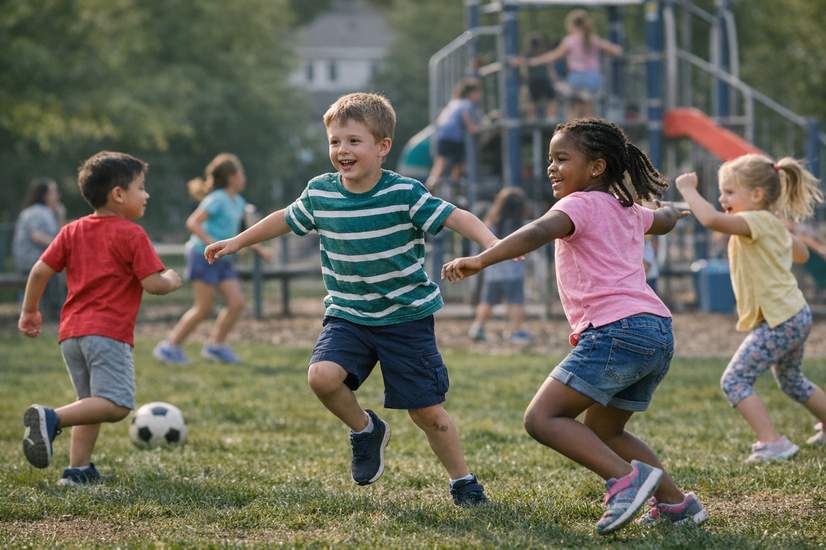
Kids today sit more and wiggle less than they used to — cue collective parental sigh. That drop in daily movement shows up in higher childhood overweight and obesity rates, more screen time, and fewer spontaneous games of tag in the park. The good news? Small changes can make a big difference, and movement doesn’t have to mean organized sports and expensive gear.
Why moving matters long-term
Regular activity in childhood isn’t just about being able to run faster than a classmate — it tends to stick. Children who are active are more likely to stay active as adults, which means better health down the road. Long-term studies even show that folks who played sports as teens often enjoy healthier later years and fewer visits to the doctor. In short: teach the wiggle today, and your future self might thank you.
Brain perks (yes, exercise is a brain snack)
Moving around helps the brain right away. Short bursts of activity can sharpen attention, speed up reaction times, and help kids resist impulsive choices — all handy for schoolwork and daily life. After-school programs with regular moderate-to-vigorous activity have been linked to both better thinking skills and lower body fat, and lower fat around organs is tied to less inflammation and clearer thinking. So a sweaty grin can equal a sharper brain.
Less sitting, more doing — simple school fixes
Boosting activity doesn’t require a gym membership. Schools that weave more movement into the day — think standing up to answer questions, movement breaks, or extra play options before and after class — have seen drops in measures of abdominal fat and rises in spontaneous sports participation. Often it’s about sitting less rather than drilling exercise into every minute.
Parents: your role is huge (and not that hard)
Kids notice what adults do. Parents who cheer on activities, help find affordable options, or simply go for a bike ride together make a surprisingly big impact. Girls in particular tend to keep going when parents show support. You don’t need to become a weekend coach — a short walk, a family dance-off, or a park visit can do the trick.
Confidence, choice and play
Feeling capable makes kids want to move more. For some children, competitive team sports feel great; for others, they spark dread. Letting kids pick activities and adding more free play can build confidence and keep them engaged. Creative playgrounds with loose parts (crates, tires, planks) and protecting recess time instead of taking it away as punishment are easy wins.
Practical takeaways (no guilt, just tips)
Aim for roughly 60 minutes of movement a day, but split it up — five 12-minute bursts work just fine. Mix structured activities with unstructured play. Schools can add standing prompts and movement breaks. Parents can model activity and lower screen time. Celebrate all kinds of movement, from tree-climbing to tag to a goofy hallway dance.
Parting note
Movement doesn’t have to be perfect to be powerful. Whether it’s a sprint, a silly dance, or a slow stroll, letting kids move more is one of the simplest ways to boost their health, smarts, and mood. So loosen up the schedule, hide the screens sometimes, and let the wiggles win.