Intro: therapy isn’t just for the young
There’s a stubborn idea out there that therapy is something you do when you’re figuring out your twenties — or you never need it at all once you get a few decades under your belt. Spoiler: that’s nonsense. Lots of older adults find therapy helpful, surprising, and even a little life-affirming. It’s less about age and more about curiosity, courage, and the willingness to sit in a room and do the emotional elbow grease.
Real people, small changes, big results
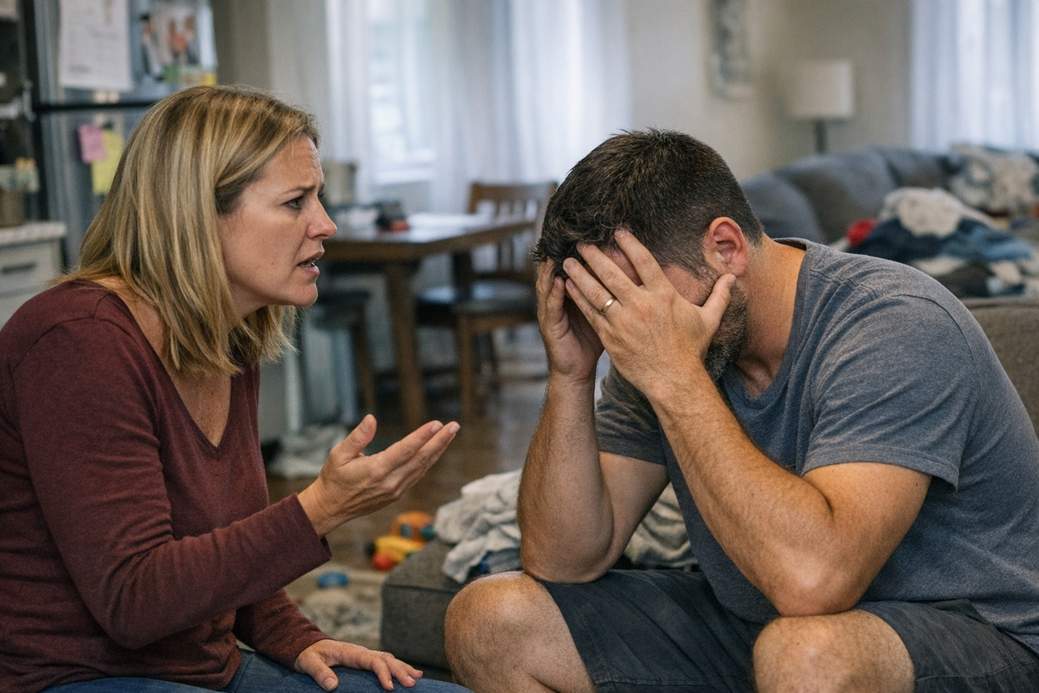
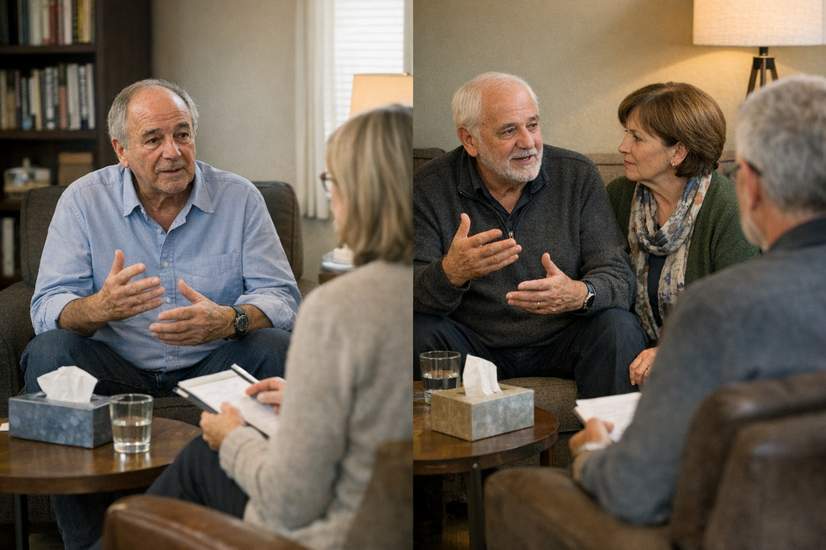
Maurizio, 70, went into therapy hoping to untangle a lifetime of migraines that started in childhood. It wasn’t a magic fix for the pain, but the process gave him a clearer picture of his life and how he handles things — which felt like progress. Antonio, 73, and his wife Gigliola, 68, popped into couple’s work to deal with years of quiet frustrations. After a while Antonio says he felt “lighter” and more open to talking — and Gigliola agrees that saying the unsaid out loud helped.
How therapy can help later in life
Therapy isn’t just about fixing a disorder — it can lift isolation, give people tools for managing long-term health problems, and help with relationship transitions, retirement, grief, and identity shifts. Research suggests psychological treatments are effective across adulthood, even in people well past retirement age. Group programs often shine here because they give structure and social contact, two things that make a huge difference when loneliness creeps in.
Why older adults don’t always get therapy
Several roadblocks get in the way. Money and limited insurance coverage make therapy unaffordable for some. The healthcare system sometimes funnels older patients away from psychological help, treating low mood or anxiety as an expected side-effect of ageing rather than something that can be treated. There’s also stubborn ageist thinking — some doctors and patients still assume people get less changeable with age, which simply isn’t backed up by modern evidence.
Myths worth busting
One antiquated idea — floating around since the early days of psychoanalysis — claims that therapy only works for the young because older minds aren’t flexible enough. Modern studies disagree. People keep growing, adapting, and learning their whole lives. Labeling emotional pain as “just old age” can stop someone from getting help that might lift their mood, re-open relationships, or improve their day-to-day functioning.
A friendly tour of therapy options
Therapy comes in many flavors. Briefly: cognitive-behavioral approaches help with patterns of thinking and behavior; group therapy mixes social contact with learning; couples therapy gives a safe spot to air decades-old grievances; grief counseling helps with loss; and pain-focused or mind-body approaches can support people living with chronic physical symptoms. And yes, teletherapy and phone sessions make it easier for people who don’t want to or can’t travel.
Practical tips for getting started
If you or someone you care about is curious: talk to your primary care doctor and ask specifically for a referral to a psychotherapist or counseling service; check community centers, senior services, and faith groups for low-cost programs; look into sliding-scale therapists or university clinics; try a single session to test the waters; and bring a friend or family member for moral support if that eases the first step.
Parting thought
Age doesn’t cancel out the possibility of change. People like Maurizio and Antonio show it’s possible to discover new perspectives, lighten emotional loads, and find better ways to connect — even after 60, 70, or beyond. If therapy feels like planting a tiny seed, it may not sprout overnight, but give it some time (and maybe a sprinkle of patience) — you might be surprised at what grows.