Why I decided to quit sugar (and why it sounded impossible)
I eat pretty healthily most of the time, but I also have a daily chocolate habit that felt harmless—until I realised one of my go-to treats had more than half of a day’s recommended sugar in a single bite. That made me wonder: what would six weeks without added/refined sugar do to me? So I tried it.
For the record: I didn’t go full-on fruitarian. I kept whole fruit and complex carbs (your body still turns those into glucose, which is fine). What I ditched was added sugar—syrups, white sugar, honey and fruit juices were off limits.
Spoiler: sugar hides everywhere
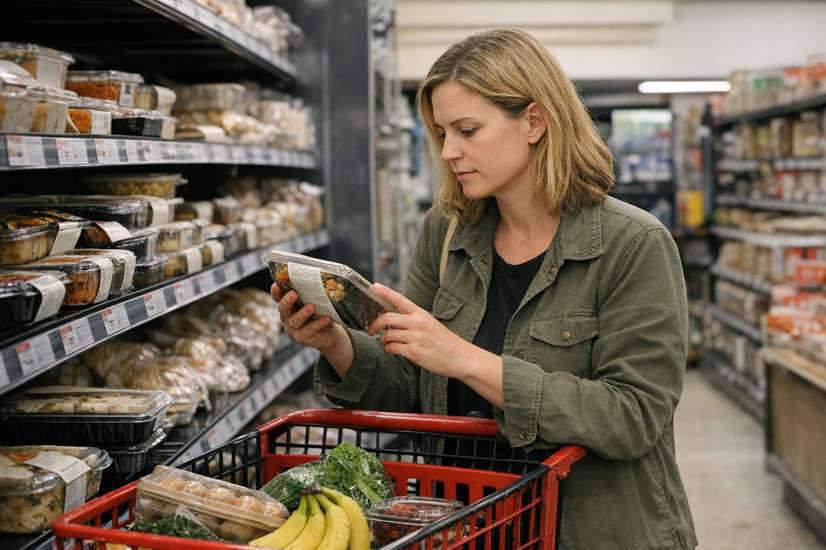
Turns out supermarkets are clever ambushers. Sandwiches, ready meals, bread and cereal all sneak sugar into your diet. A pack of deli sandwich? Sugar. A ready-made bolognese? Sugar. Even things you think are savoury can contain a surprising amount.
That’s part of the problem: sugar isn’t just in desserts. It’s common in ultra-processed foods, the kind that are quick and convenient but low on real nutrients.
How sugar messes with the body (in plain English)
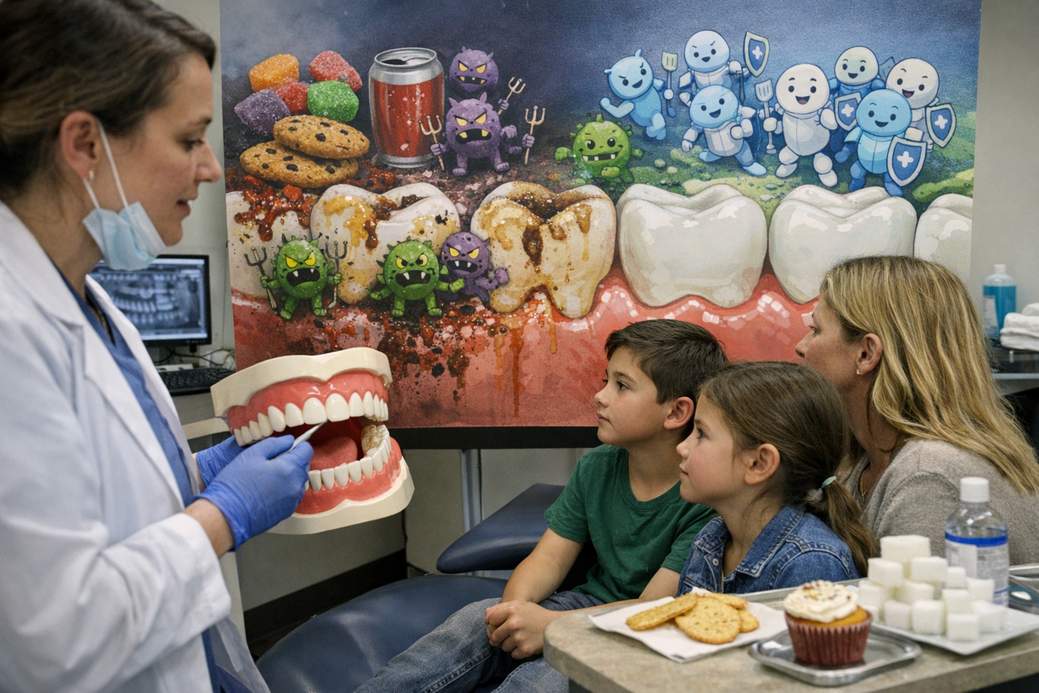
Eating sugary stuff causes quick spikes in blood sugar. Do that repeatedly and your body starts to mismanage insulin, which raises the risk of type 2 diabetes. Sugar is also linked to tooth decay, inflammation, weight gain, and some long-term conditions people worry about, like fatty liver and cognitive fog.
Some research shows sugary diets can make people feel mentally rougher too—more anxious or down—though it’s a complicated picture. Still, cutting back makes sense for a lot of reasons.
Is sugar addictive? Sort of…
When I stopped, the first few days were brutal. Sweets at parties felt like forbidden treasure. That’s partly biology: sugar lights up the brain’s reward circuits and boosts dopamine, the “feel-good” chemical. For some folks that loop resembles addiction—eat sugar, feel good, want more.
Over time, repeated sugary hits can dull the joy from natural sweetness (like fruit), which makes candy and cakes feel even more necessary. So yes, the cravings are real—and they’re partly wired into your brain chemistry.
What happened when I actually gave it up
After a few days the cravings were intense. By week three, though, the sugar binge urge had faded. My energy stopped yo-yoing—no post-lunch crash—and I found myself grabbing olives, nuts or a fruit smoothie instead of a chocolate bar. Weirdly, apples and grapes started to feel delightfully sweet rather than bland.
Biologically, that makes sense: your palate recalibrates and your body experiences fewer insulin spikes. You might also see small wins like lower triglycerides and steadier energy, especially if you replace processed snacks with whole foods.
How I beat temptation (and stayed sane)
Two tricks helped: first, I kept easy, tasty non-sugary snacks on hand—bananas, berries, nuts, even a cocoa-banana shake when I needed comfort. Second, I limited exposure: if the house was full of treats, I emotionally felt like I was at war. Taking sugary stuff out of my daily environment made it way easier.
I also learned that sugary drinks are sneaky. Swapping juice for sparkling water with a squeeze of lemon did the job and didn’t feel like punishment.
Reintroducing sugar—yes, I tried it
At the end of six weeks I tried a triple chocolate cookie for the sake of science (and journalistic duty). It was almost sickeningly sweet and gave me a predictable crash afterwards. The cookie used to be my comfort food; now it tasted like sugar pretending to be chocolate. I ate a few bites and called it quits.
So I didn’t go back to daily treats. My plan now is to keep weekdays mostly sugar-free and allow a treat or two at weekends—less because of rules and more because my tastes actually changed.
Takeaways (in case you want to try this)
– Sugar lurks in many savoury or packaged foods; read labels if you care to know what you’re getting.
– Short-term pain, long-term gain: the first week is the worst. After that your palate and energy tend to stabilise.
– Replace, don’t just remove: have satisfying, easy snacks ready so you don’t reach for candy.
– Drinks matter: sugary beverages add up fast. Try fizzy water with citrus instead.
The final word
Quitting added sugar for six weeks didn’t turn me into a health guru, but it changed my habits and my tastebuds. I still enjoy treats sometimes, but they stopped running the show. If you’re curious, try a short experiment—your future self might thank you (and your energy levels definitely will).