Intro: The new sports plot twist
There’s a new chapter in the ‘what’s legal in sport’ saga: weight-loss drugs that curb appetite and shrink waistlines. They’re being used by people from weekend gym-goers to high-profile athletes, and that has opened a lively debate: do these meds simply help health, or do they secretly boost performance?
Why everyone’s talking about them (and why Serena makes it juicy)
Big names have mentioned using these medications after pregnancy or to manage health, which sent the story viral. The drugs work by mimicking hormones that make you feel full, so people lose weight without thinking about midnight snacks. That sounds useful — but when elite athletes use them, spectators and rivals start squinting and asking: advantage or just wellness?
What’s officially considered doping?
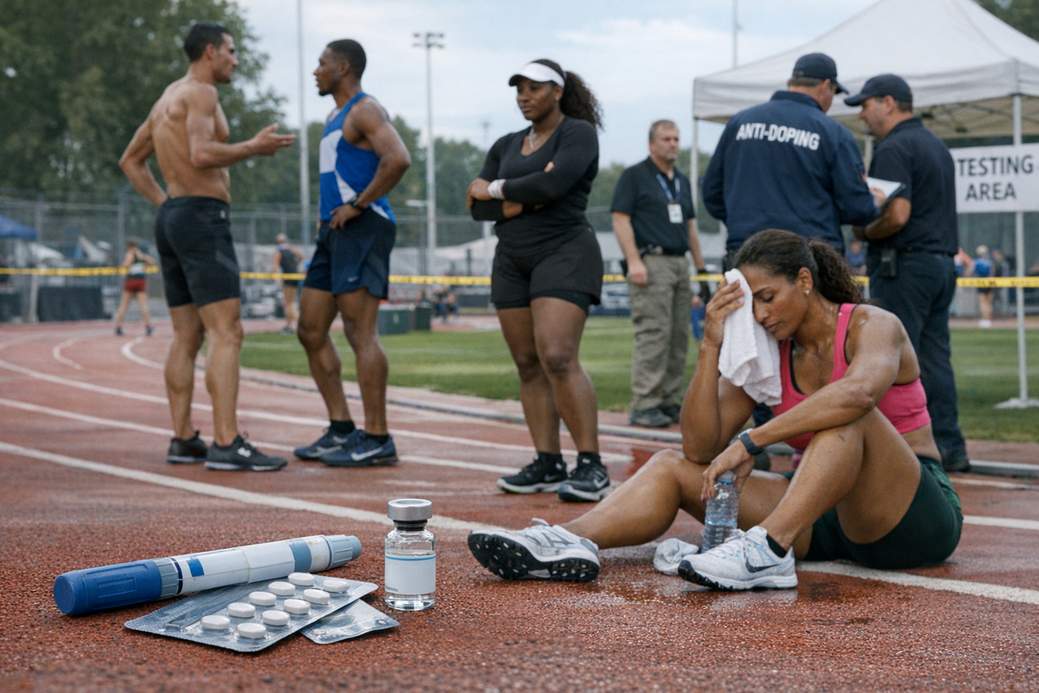
Anti-doping groups don’t ban something on a whim. A substance is usually flagged if it can improve performance, harm the athlete’s health, or violate the spirit of sport. Right now these weight-loss meds aren’t on the banned list, but regulators are watching closely and putting them on ‘things to monitor’ lists while the science plays out.
Weight categories: where the line is easiest to spot
In sports with strict weight classes — boxing, wrestling, combat sports — any reliable way to make yourself noticeably lighter could be seen as an unfair shortcut. That’s why diuretics (which make you pee off weight quickly) are banned. If a drug helps you hit a lower weight more easily than training and diet alone, some will argue it’s essentially the same idea.
More than just slimming: surprising body perks
These medications don’t only cut fat. Research shows they can reduce inflammation, improve metabolic health and lower some heart risks — effects that aren’t fully explained by weight loss alone. In plain terms: they might make a body hum a little better, and that could theoretically help training or recovery — but that’s not proven in elite athletes yet.
Why we don’t have a neat answer yet
Most trials have looked at people trying to lose weight, not Olympians trying to shave milliseconds off a sprint. The drug-driven benefits seen in general populations might not translate to already-fit athletes. Scientists are cautious: absence of clear evidence doesn’t mean there’s no advantage, it just means we need athlete-specific studies.
The nasty bits: side effects that matter to athletes
These medicines can cause stomach upset, and in some cases they’re linked to loss of lean mass or rare inflammation of the pancreas. For sportspeople, losing muscle or being constantly nauseous is a fast shortcut to poorer performance. That said, if fat drops while muscle holds up — through training and enough protein — an athlete might still gain an edge.
Calories count: the under-fuelling problem
Performance rests on fuel. If your appetite tanks and you can’t eat enough to support intense training, recovery and adaptation suffer. Even if weight-loss drugs help you lose fat, they can also make it harder to get the calories needed for elite-level output. That’s a real risk, especially for athletes who already walk a tightrope with their energy intake.
Fairness, access and the role-model ripple
Beyond science, there are ethical headaches. The drugs are prescription-only but increasingly easy to access, raising fairness questions: if some athletes can secure medical routes to a weight advantage, is that equitable? Public figures promoting or using them can also shape cultural norms — and that has consequences for young fans watching and imitating.
Bottom line: watchful waiting (and more research)
At the moment, these medications are on anti-doping agencies’ radars but not banned. There are plausible reasons they might help some athletes — especially those with higher body fat or specific health issues — but there’s no definitive proof they boost elite performance across the board. For now, regulators are watching, scientists are experimenting slowly, and athletes are choosing cautiously. Expect the debate to keep buzzing as new studies arrive.