Intro: A courtroom, a mountain of evidence and one determined young lawyer
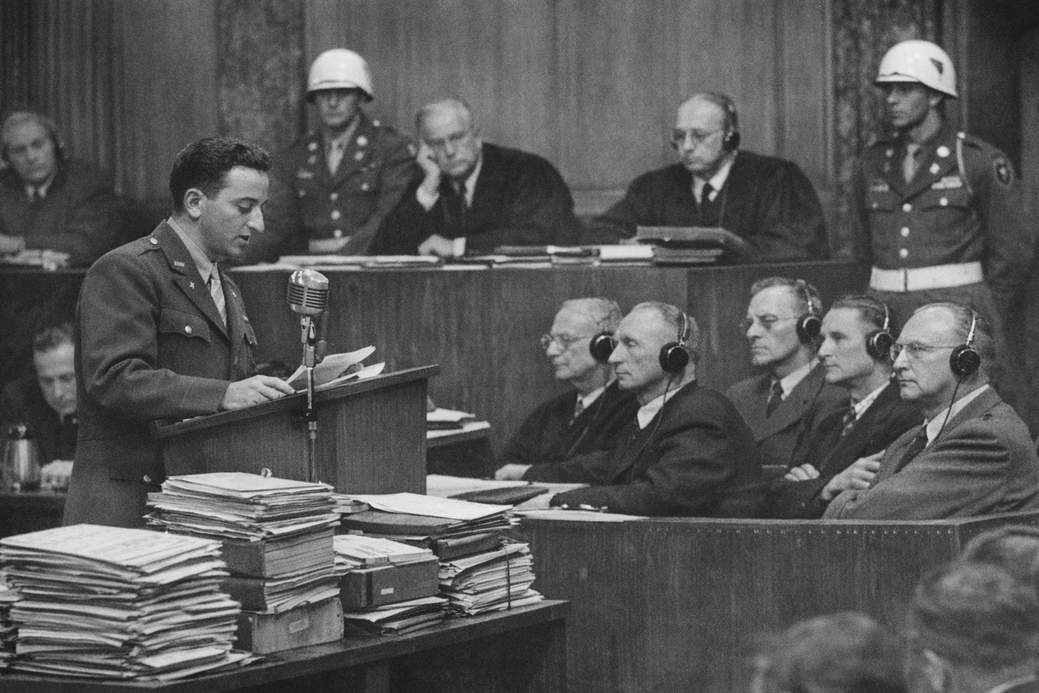
On 29 September 1947 a courtroom in Nuremberg opened for what some called the biggest murder trial ever staged. At the center of the story was Ben Ferencz, a Hungarian‑Jewish New Yorker who, fresh out of Harvard Law, joined the US Army, landed in Europe and found himself sucked into the grim world of war‑crime investigations. He was only 27 when he became the youngest US prosecutor at the trials that followed World War II.
From law school to the front lines
Ferencz didn’t sit behind a desk — he went ashore at Normandy and later was among the first Americans to enter liberated camps like Buchenwald. What he saw there stayed with him: piles of corpses, prisoners reduced to skin and bones, and scenes so brutal that they kept him from wanting to talk about them for years. Those experiences turned a bright young lawyer into someone who felt a legal duty to chase down those responsible.
Finding the smoking gun in German archives
Back in Berlin, Ferencz and a small army of investigators dug through Nazi records. The team stumbled onto daily reports from the Einsatzgruppen — mobile killing units that trailed the Wehrmacht and executed civilians, mostly Jews, and anyone else deemed an enemy. The documents were blunt, bureaucratic and horrifying: lists, body counts, orders. It became clear this wasn’t random violence but organised, systematic murder.
Building a case and the limits of a courtroom
Ferencz wanted those killers in the dock, but there were practical headaches. Only so many defendants could be tried at once, and courts had fixed schedules. He picked carefully: prisoners in custody, higher‑ranking figures and those with solid documentary trails. Out of roughly 3,000 implicated men, he selected 22 to stand trial — partly because that’s how many seats were available in the dock. Absurd, yes, but a necessary compromise if any justice was to be pursued.
The trial itself and the lack of remorse
The courtroom drama that followed exposed brutal facts: charges covering mass shooting campaigns and other atrocities that together accounted for the deaths of well over a million people. Ferencz later recalled that none of the defendants showed real remorse; instead the records suggested pride in their deeds rather than shame. In the end, 20 were convicted of war crimes and crimes against humanity, while two were convicted only for being members of a criminal organisation.
After the verdict: a mission that kept going
Ferencz didn’t stop at Nuremberg. He spent the rest of his life campaigning for stronger international law to prevent future mass murders, and he played a role in pushing for institutions such as the International Criminal Court decades later. His big takeaway was sobering: ordinary people, put into the machinery of war and ideology, can become perpetrators. That insight shaped his tireless belief that law and education are the better tools than revenge.
Why it still matters
The Nuremberg follow‑ups showed how documentation, persistence and legal imagination can turn atrocity into evidence rather than silence. Ferencz’s work is a reminder that even when justice can’t be perfect — when courts can only try a fraction of those guilty — trying matters. It’s also a call to change minds, not just punish acts: to teach that compromise, empathy and the rule of law beat blind loyalty and violence.
Final note
Ferencz lived long enough to tell his story to new generations. He urged people not to give up on law and human decency, even when the past looks unbearably dark. His life is weirdly hopeful in that way: a legal crusade born out of horror, aimed at making the world slightly less terrible, one trial at a time.