Opening the show—and the can of worms
Back in the mid-2000s a TV segment arrived that felt less like a news report and more like a live-action moral panic. Packaged inside a mainstream current-affairs program, it staged sting operations where adults posing as teens would lure strangers into meetings, hidden cameras rolled, and a host would confront the visitors on camera. The formula was simple, brutal and magnetic — and it quickly became must-see television.
The setup, in plain terms
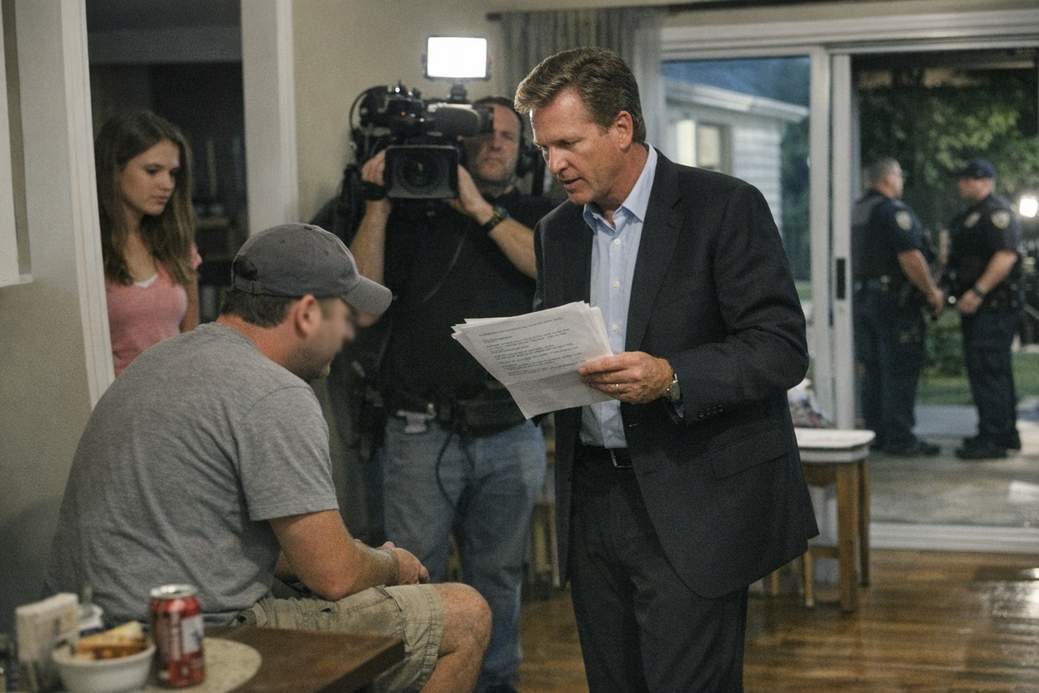
The crew worked with an online volunteer group who pretended to be minors in chatrooms, then invited suspects to an address. An actor would answer the door as a teen, a camera would capture the moment, and the presenter would read the offender’s online messages out loud before police arrived. It felt like part true crime, part live courtroom, part reality TV roast.
Why it blew up
People tuned in by the millions. There was a voyeuristic thrill to it: viewers got to watch alleged wrongdoers exposed in a format that served both moral outrage and tidy narrative closure. The show blurred the lines between journalism, law enforcement and entertainment in a way that made it hard to look away — and even harder to agree on whether that’s a good thing.
It didn’t come from nowhere
Reality TV had already been practicing public humiliation for ratings. But this show took it further by combining sting tactics with live-style confrontations. Earlier programs had exposed cheating partners or staged social experiments; this one pushed the genre into darker, higher-stakes territory because the subject matter carried huge emotional weight.
Ethical red flags and a very ugly aftermath
With fame came scrutiny. Critics pointed out a slew of problems: the tactics used to entice people, the way footage was edited for drama, and the uneasy partnership between TV producers and local police. One of the harshest moments came when a target of a sting — a public official — died by suicide after law enforcement and the TV crew showed up at his home. That case prompted lawsuits and a long, uncomfortable conversation about responsibility and the consequences of televised entrapment.
Survivors, filmmakers and messy perspectives
Not everyone who questioned the show was defending the accused. Some survivors of abuse and journalists have tried to understand why the program resonated so strongly, and whether its methods genuinely helped protect children or simply fed a culture of spectacle. Documentary filmmakers have dug into the episodes, the fandom around them, and the raw footage that sometimes showed people breaking down, asking for help or revealing complicated personal histories.
The format didn’t die with the original series
The strand was canceled, but the format escaped: spin-offs, new streaming ventures featuring the same host, and countless online copycats keep reworking the premise. Today anyone with a phone can stage a sting and post the payoff; the attention economy rewards humiliation scenes because they draw clicks and comments, which keeps the pattern alive.
Enter Primetime — and another round of arguments
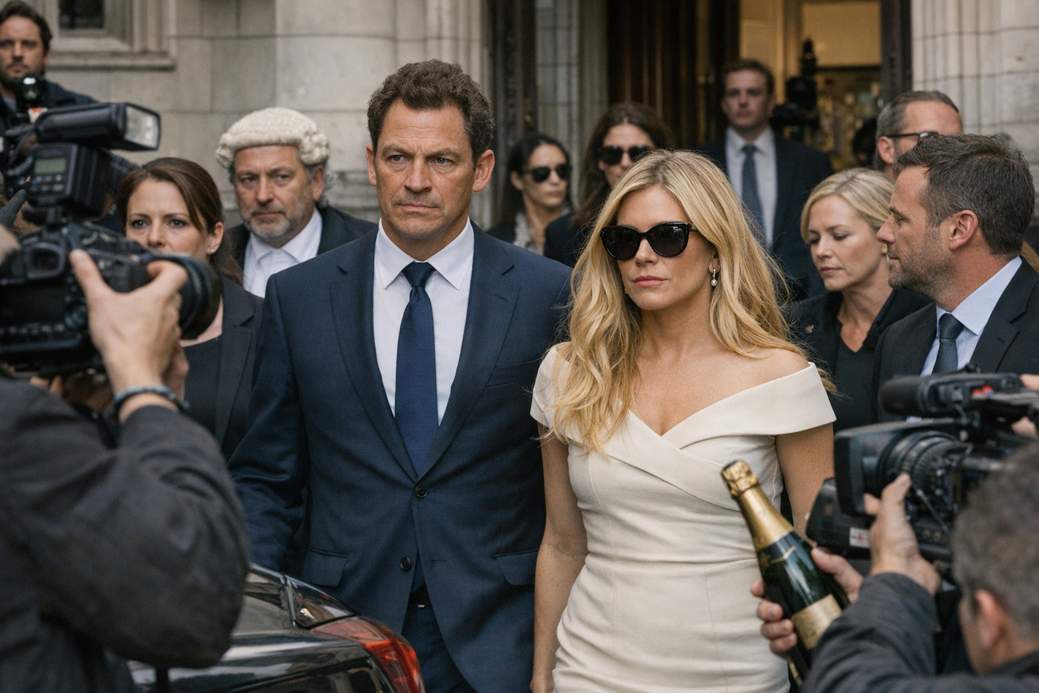
The new film about the series, featuring a high-profile actor as the host, reopened the debate. Some reviewers praise the performance and the film’s provocation; others call it shallow or exploitative. The original presenter has criticized the movie as a fictionalized take that misrepresents his motives. All of which is to say: the story keeps producing more arguments than answers.
So what are we left with?
The whole saga forces a simple, ugly question: what are we looking for when we watch someone get exposed on camera — justice, entertainment, or both? There’s no tidy answer. The show brought attention to a serious issue, but it also demonstrated how easily moral outrage can become a product. As long as audiences reward spectacle, similar formats will keep popping up. And that means the ethical conversation is far from over.
Final thought
It’s tempting to cheer when a villain gets unmasked on TV, but the fallout from that moment can be messy and tragic. If we want better outcomes, we need to be honest about the costs of turning serious social issues into prime-time drama — and stop pretending clicks don’t have consequences.