A lost BBC chat and why Tolkien shrugged at adventuring
In 1968 the BBC filmed what turned out to be J.R.R. Tolkien’s last recorded interview. Most of it sat in the archive for decades and only resurfaced in full around 2019. The highlights are a delight: the author cracking jokes, admitting strange little truths about himself, and casually blowing apart the idea that he would have been a Hobbit-level thrill-seeker.
Tolkien confessed that if some Gandalf-type character had knocked on his childhood door, he probably would have made a neat excuse and stayed home. He was raised to be wary of odd old chaps and had absolutely no taste for getting himself into awkward scrapes purely for the sake of “adventure.”
That Swiss walk that became a book
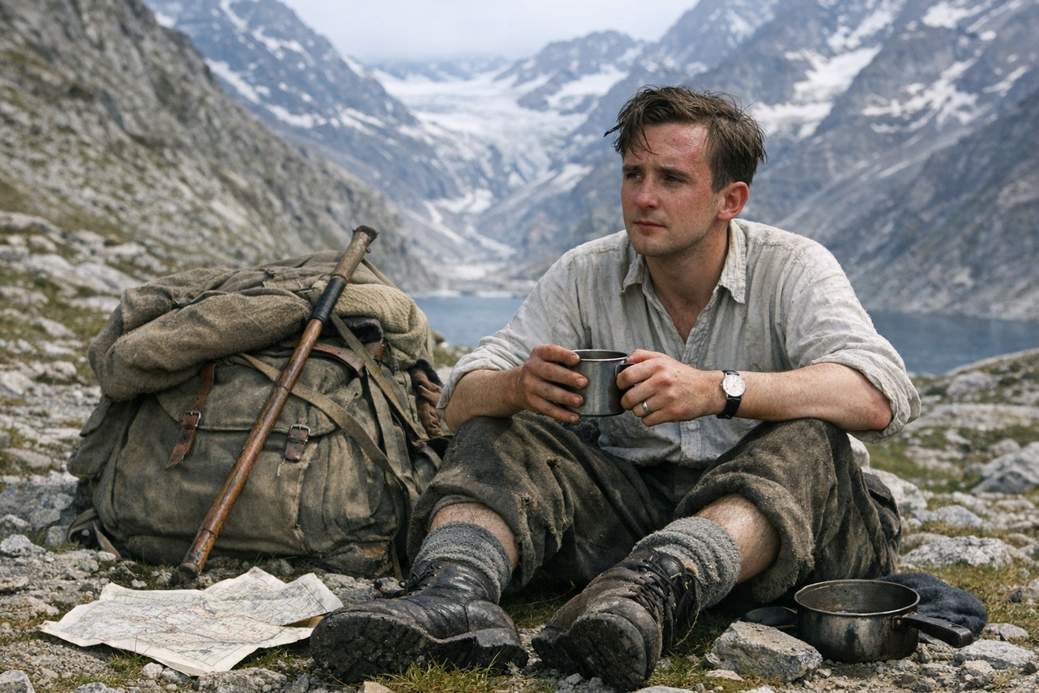
One surprising fact: a real hike in Switzerland when Tolkien was 19 turned into a seed for The Hobbit. He talked about crossing mountain passes, sleeping in odd places with nothing but a pack on his back, and having narrow brushes with danger — nothing supernatural, no goblins, but enough real-life spice to feed Bilbo’s road trip after Tolkien reshaped the memories into fiction.
Languages, late-night philology and Finnish obsession
Tolkien’s fondness for inventing tongues didn’t just spring from nowhere. While studying at Oxford he fell head-over-heels for Finnish — its sounds and structure so beguiling he admits it made him a little giddy. He spent hours learning it when he should’ve been writing essays on Greek drama, and his scholarship at the Oxford English Dictionary gave him a steady flow of quirky etymological curiosities to chew on.
Those language crushes dyed his fictional tongues: Finnish-ish rhythm, a dash of Greek, and whatever else he’d collected over the years. The language came first in his head, then the stories followed to fit the sounds.
The tragedy of Gollum (aka the saddest oops in Middle-earth)
One of the interview’s most powerful bits is Tolkien reflecting on Gollum. He called the character a portrait of corruption — and then described a moment in The Lord of the Rings that he thought was heartbreakingly true to life.
There’s a scene where Gollum, who was once the milder Sméagol, seems to be turning back toward good. He reaches out in a small, awkward act of kindness toward Frodo, who’s asleep. But Sam, ever the vigilant bodyguard, drags Gollum away and tells him to take his hands off Frodo. Tolkien said he found this the story’s most tragic moment: an act meant to protect actually snuffs out a possible redemption.
When doing good accidentally does harm
Tolkien loved the moral messiness. He pointed out that his tales aren’t a crude goodies-versus-baddies cartoon. Often the “good” side carries its own shadow — well-meaning actions can have nasty side effects. That irony, that good intentions sometimes produce real harm, is what gives his mythology its melancholy edge.
Why it still matters
Beyond dragons and riddles, these small human mess-ups — a protective shove, a missed chance at forgiveness — are what make Tolkien’s world feel rooted in reality. It’s less about moral purity and more about messy humans (and hobbits) trying their best and occasionally botching it spectacularly.
So next time you watch a gollum-y meltdown or cheer when a hero saves the day, remember: sometimes the rescue is the problem. Tolkien liked that dark little twist, and honestly, so do we — it keeps the story real and the tissues handy.