A duchess with crown-daydreams
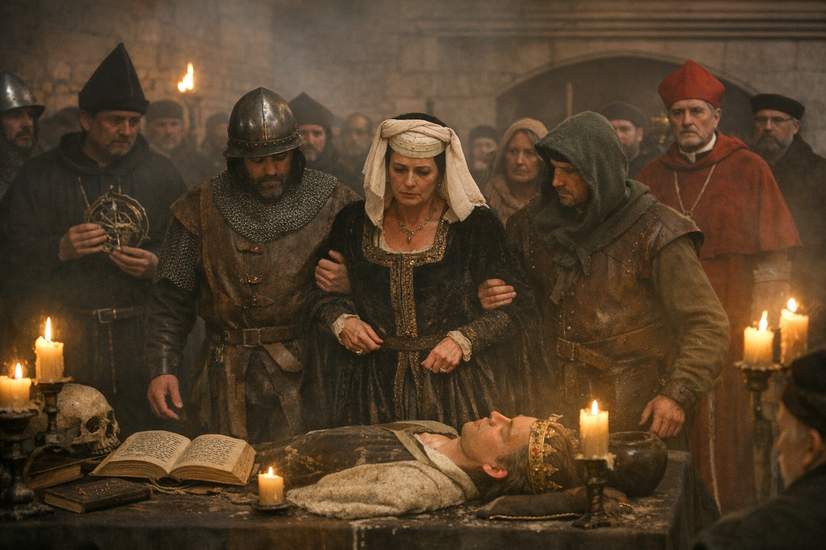
In 1441 Eleanor Cobham was riding high — married to Humphrey of Lancaster, the powerhouse duke who stood next in line after the fragile King Henry VI. The idea of becoming queen wasn’t just a fantasy; it was a very near possibility. But instead of a coronation, Eleanor’s name became tangled with accusations that she dabbled in dark arts to secure a royal future.
Books, astrologers and a wax likeness
Eleanor and Humphrey collected books and kept company with learned men — the sort who read stars and dusted off ancient grimoires. That intellectual curiosity was turned into suspicion. The court heard that she had consulted an astrologer, commissioned charts predicting the king’s death, used potions to help her conceive and even helped produce a wax effigy of the king. Add to that the presence of a local wise woman, Margery Jourdemayne, and the scholar Roger Bolingbroke, and the gossip machine had fuel.
Who started the fire?
One powerful figure in the mix was Cardinal Henry Beaufort, Humphrey’s politically sharp half-uncle. Under his influence the council drew up serious charges — necromancy, heresy and witchcraft among them. Some historians argue these accusations were politically convenient: Eleanor’s interests and her husband’s weakening influence made her a handy target. Others say the evidence — including confessions from accused accomplices — looked grim enough for action.
Potion or political ploy?
There are two basic takes. On one side, critics of the trial point out that astrology and magical thinking were part of educated life in the 15th century, and that seeking fertility remedies wasn’t unusual for desperate couples. They see Eleanor as a woman caught in a smear designed to topple her husband. On the other side, novelists and some commentators paint her as an ambitious, calculating figure who used occult tricks as tools to push her way toward the throne.
Tragedy, spectacle and a nasty ending for some
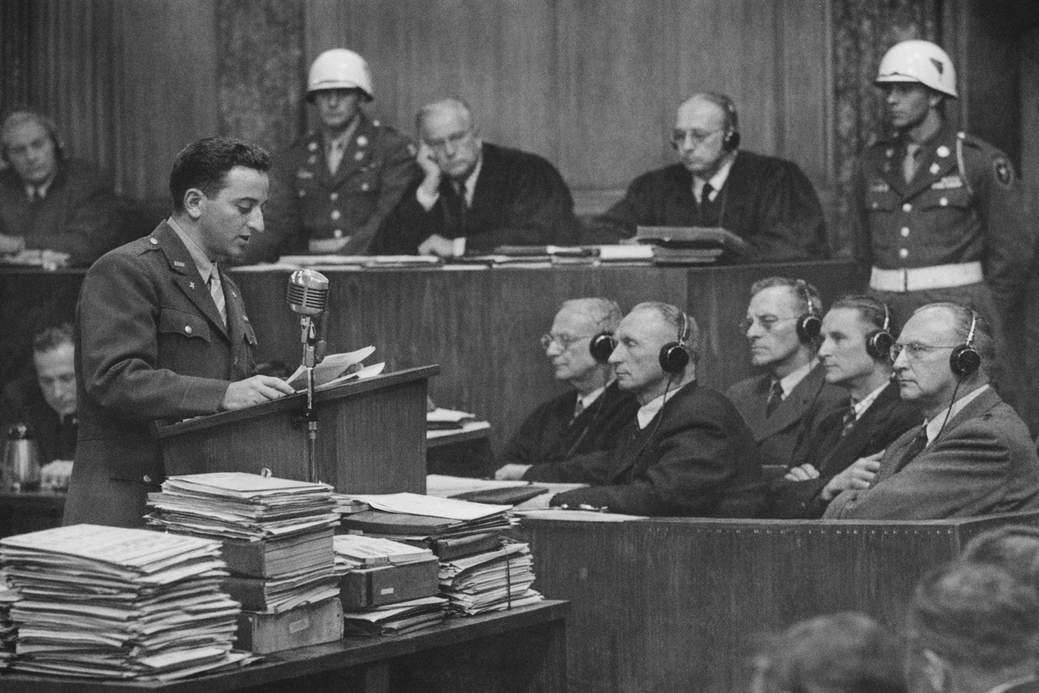
Whatever the truth, the trial exploded into public theatre. Roger Bolingbroke was made to recant in humiliating fashion and was later executed in a grisly manner; Margery Jourdemayne was burnt. Eleanor herself was forced into three days of public penance — bare‑foot and carrying a heavy candle — before being sentenced to life imprisonment. The show was meant to be a warning, and it was very much that.
Was she a pawn or the plotter?
Scholars still squabble about whether Eleanor was a scapegoat or a mastermind. Some point to likely coerced confessions and political motive; others highlight the practical evidence cited at the time. Either way, Eleanor’s fate wasn’t just personal doom — it changed the political landscape.
The ripple effects: law, thrones and a civil war
The spectacle of trying a high-ranking noble for witchcraft and treason set legal and cultural precedents. It weakened the Lancastrian household and widened opportunities for rivals, contributing to the dynastic tensions that eventually boiled over into the Wars of the Roses. Later monarchs and courtiers would reuse similar accusations as weapons — the echoes of Eleanor’s trial were long.
Retellings and reputation
Modern writers have kept Eleanor’s story alive. Philippa Gregory’s recent novel reimagines her as resolutely ambitious and willing to use every means to win power. Other historians prefer a more sympathetic reading, arguing she was vulnerable, desperate for an heir and politically undermined. The truth probably sits somewhere between melodrama and tragedy.
Why the fuss still matters
What fascinates us now is less whether a woman in the 15th century brewed a love potion and more what the episode reveals: how gender, gossip and politics mixed into a lethal cocktail. Eleanor’s downfall shows how beliefs about magic could be weaponised — and how a single scandal can redirect the fate of kingdoms.
Further reading
If you want the historical deep dive, look for modern histories of the late medieval court and books about women accused of witchcraft. For a dramatized, fictional take, Philippa Gregory’s novel about Eleanor has brought the duchess back into contemporary conversation.