Quick backstory: a jungle mystery and two very different explorers
Here’s the short version: in 1911 a Yale professor swaggered into the Andes and told the world he’d found a lost Inca city. Half a century later a daredevil from Oregon pushed into a different patch of cloud forest, uncovered mossy ruins, and argued, with a grin and a machete, that he’d found the real last Inca refuge. Cue arguments, BBC cameras, soggy rubber dinghies and a whole lot of vines.
Hiram Bingham: the accidental fame magnet
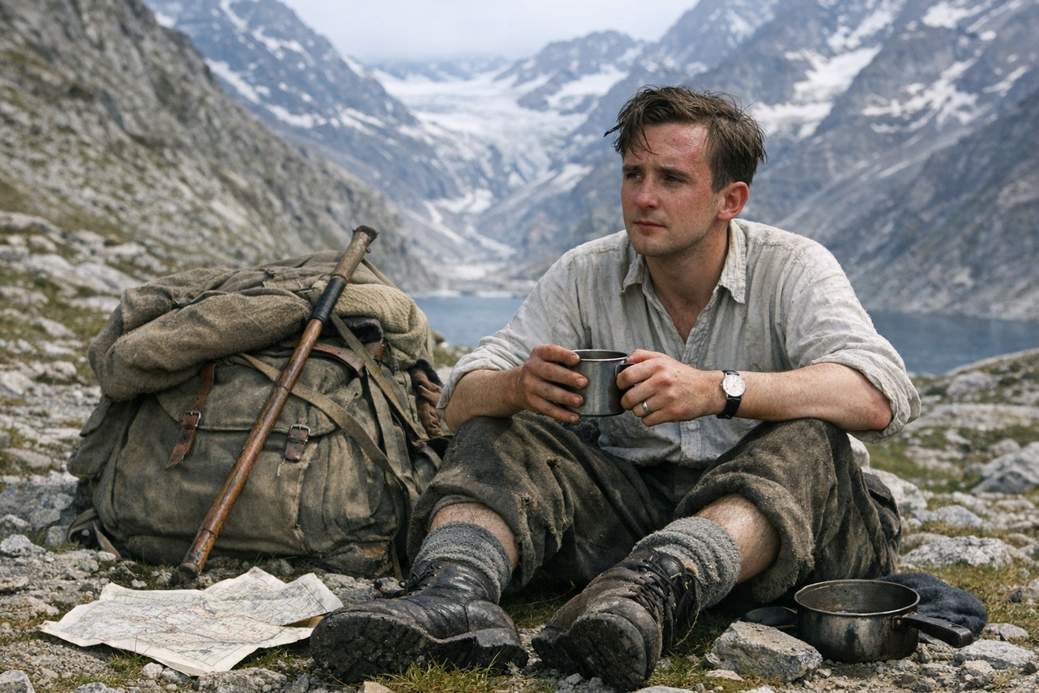
Hiram Bingham III wasn’t a Indiana Jones-style archaeologist — he was a history professor who stumbled into fame. Locals nudged him toward what might be a lost Inca hideout, and after some searching and a lot of bad weather he came away convinced he’d discovered the legendary city. He publicized Machu Picchu, and the world applauded. Later it turned out his expedition may have missed the actual Inca stronghold by only a short trek — but the fog of rain, hungry porters and rough terrain sent him in another direction.
Gene Savoy: enter the ‘real Indiana Jones’
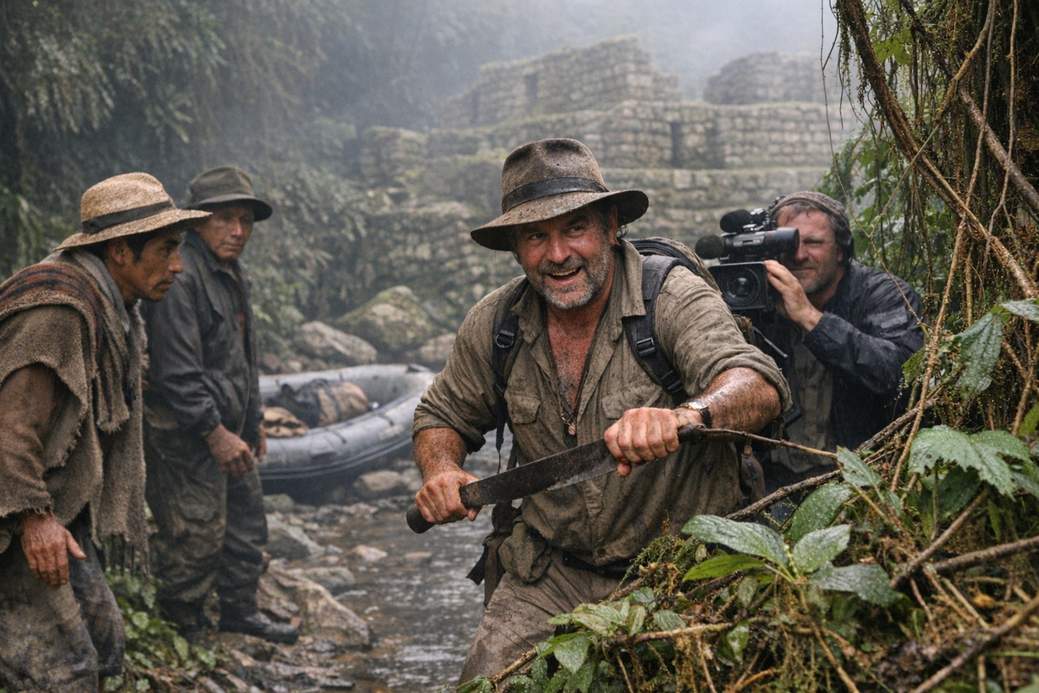
Fast forward to 1964. Gene Savoy, an adventurous American with a thirst for the unknown, tackled the same mountain country and teamed up with Peruvian explorer Antonio Santander Cascelli. They pushed into almost impenetrable cloud forest and eventually stood before broad, moss-streaked ruins on a series of plateaus. Savoy was blown away — the place was far larger than Machu Picchu in some parts and practically swallowed by jungle.
The jungle assault: mules, mishaps and movie cameras
The trip was a proper odyssey: rubber dinghies on white water (sometimes capsizing), clambering up canyon walls with mules, and hacking through a green spaghetti of vines and kapok trees. A BBC team trailered in six weeks later and found that the jungle had done a fine job of hiding the site for centuries. Even seasoned guides got spooked — local beliefs about offended spirits made many reluctant to point the way.
Why this site looked like Vilcabamba
What turned heads was not just size but detail. Investigators discovered roof tiles built in a Spanish style but with clear Inca touches in color and pattern — odd because the Incas usually roofed with thatch. Chronicles from the 1500s described a mountain capital with tiled roofs, and that matching clue helped link the ruins to Vilcabamba, the last Inca stronghold in exile. Later historians and experts were able to line up eyewitness accounts with features on the ground, lending weight to the Savoy identification.
Treasure, whispers and still-open questions
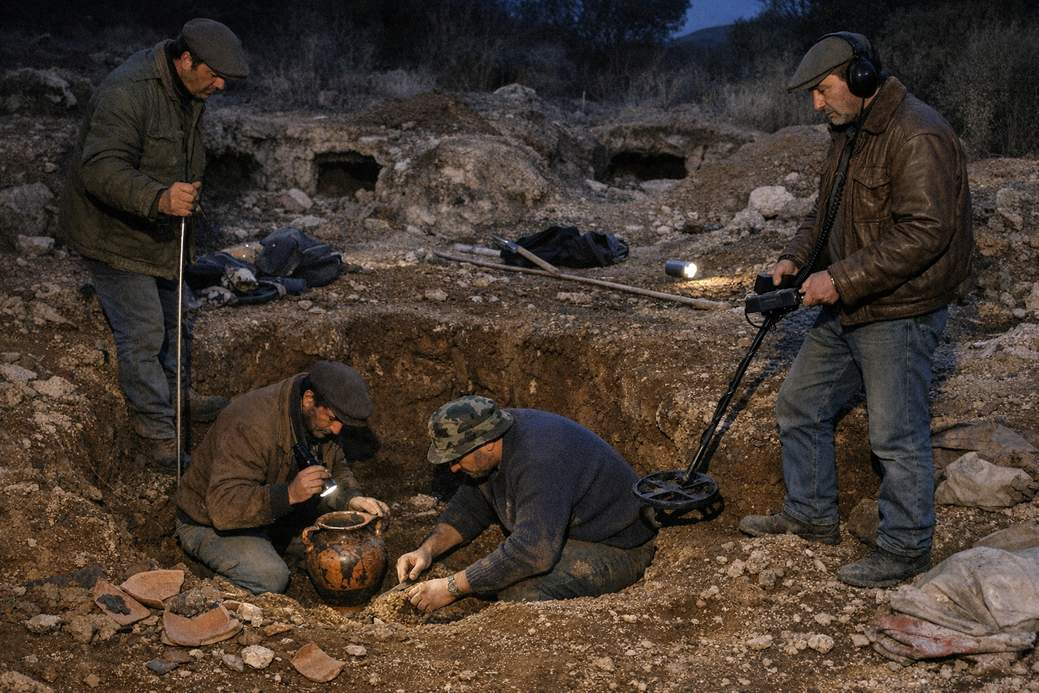
Of course, talk of lost Inca gold follows every jungle ruin like a bloodhound. Savoy suspected that much of the empire’s treasure was hidden, sunk into lakes or walled up in secret tunnels to stop it falling into Spanish hands. Some sites remained unlooted and unexplored, which only fueled speculation: are there other settlements deeper in the forest? Are treasures still waiting in a watery grave? Archaeologists caution that the site is fragile and largely undisturbed, which makes it valuable for study but tricky for treasure hunters.
The takeaway: history, myth and a healthy dose of adventure
So who was right, Bingham or Savoy? The short answer is complicated. Bingham put Machu Picchu on the map for the modern world; Savoy helped identify Espíritu Pampa as a serious candidate for Vilcabamba. Between brave explorers, cranky jungles and centuries of legends, the story became part archaeology, part thriller and part tall tale. Either way, the Andes kept their secrets long enough to make history sound like an adventure story — and that’s exactly how both explorers would have liked it.
Final thought
The ruins remain mostly hugged to the trees, half-hidden and stubbornly mysterious. They remind us that sometimes history is a messy mix of luck, local knowledge, stubborn explorers and the occasional rubber dinghy flip. Not a bad recipe for a story.